Injury pattern analysis of muscle injuries in sports
Update: Jan 28th 2026
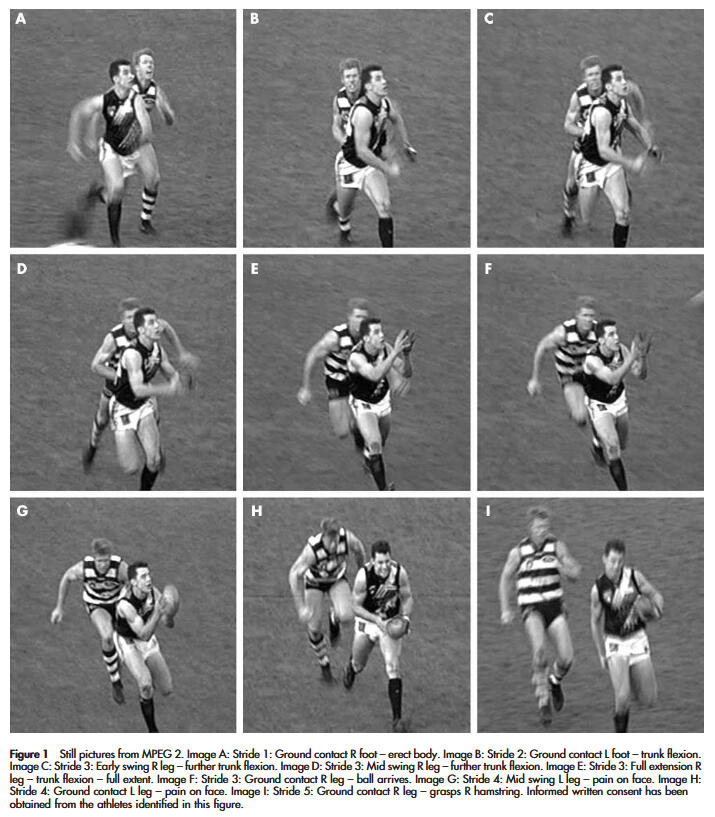
Video analysis has become an increasingly valuable tool for deriving kinematic data from real-world sporting environments. Unlike laboratory-based assessments, video-based approaches allow movement patterns to be captured during training and competition, providing ecologically valid insights into how injuries occur under genuine performance demands. However, these advantages are accompanied by important limitations, as the quality and interpretability of the data are inherently constrained by camera perspective, frame rate, resolution, and the uncontrolled nature of match and training settings.Despite these constraints, the identification of injury mechanisms and recurrent injury patterns through video analysis plays a crucial role in understanding injury characteristics across different muscles, muscle groups, and sporting disciplines. Such information is highly relevant for informing decision-making processes in strength and conditioning, as well as in the rehabilitation of injuries in the muscle-tendon-unit. In this context, video-derived insights can support training decisions, load management, and exercise selection by aligning interventions more closely with the demands and contexts in which injuries actually occur.It is important, however, to interpret video-based findings within the framework of dynamic correspondence. While kinematic information can inform how movements are executed and under which conditions injuries emerge, direct information about kinetic variables and force expression is largely unavailable and must often be inferred. As a result, conclusions regarding tissue loading and mechanical stress should be drawn with appropriate caution and in conjunction with other sources of information.This blog post aims to provide a structured overview of video-based analyses of muscle injury patterns, outlining examples and limitations. The majority of available research and data in this area stems from football (soccer), with a particular focus on the hamstring muscle group. By synthesizing current findings, this overview seeks to highlight how video analysis can contribute meaningfully to injury prevention and rehabilitation strategies, while also acknowledging the methodological boundaries of this approach.
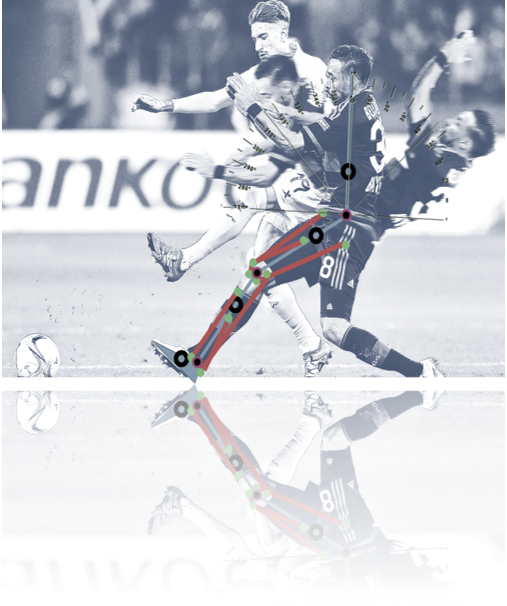
Understanding injury mechanisms and pattern as part of the injury risk reduction puzzle
Already in the 1990s and early 2000s, foundational model-based frameworks were developed to describe injury mechanisms in greater detail and to systematically inform prevention strategies and injury risk analyses for training-related decision-making. A prominent example is the overview provided by Bahr and Krosshaug (2005), which aimed to refine the understanding of injury causation and methodological approaches to injury research. Their work builds on the well-established sequence of injury risk reduction programs proposed by van Mechelen et al. (1992), emphasizing a structured progression from injury surveillance and identification of risk factors to the development, implementation, and evaluation of preventive interventions.


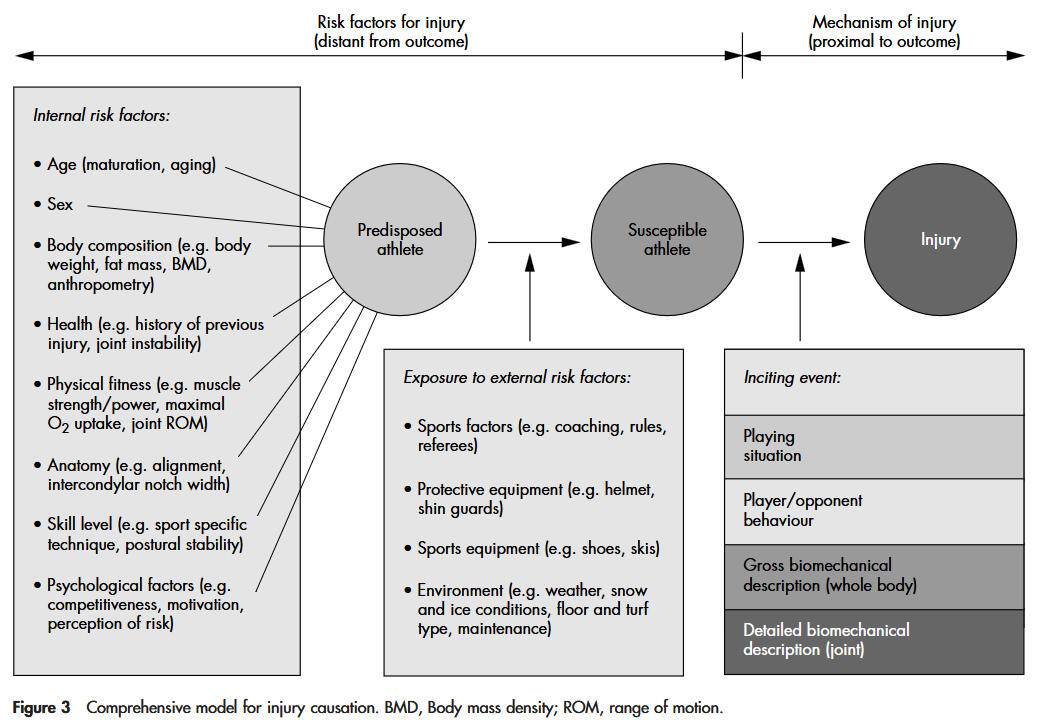
A number of different methodological approaches have been used to describe the inciting event for sports injuries as already described in the overview of Krosshaug et al. (2005). These include interviews of injured athletes, analysis of video recordings of actual injuries, clinical studies (clinical findings of joint damage are studied to understand the injury mechanism, mainly through plain radiography, magnetic resonance imaging, arthroscopy, and computed tomography scans), in vivo studies (ligament strain or forces are measured to understand ligament loading patterns), cadaver studies, mathematical modelling and simulation of injury situations, and measurement/estimation from “close to injury” situations. In rare cases, injuries have even occurred during biomechanical experiments.


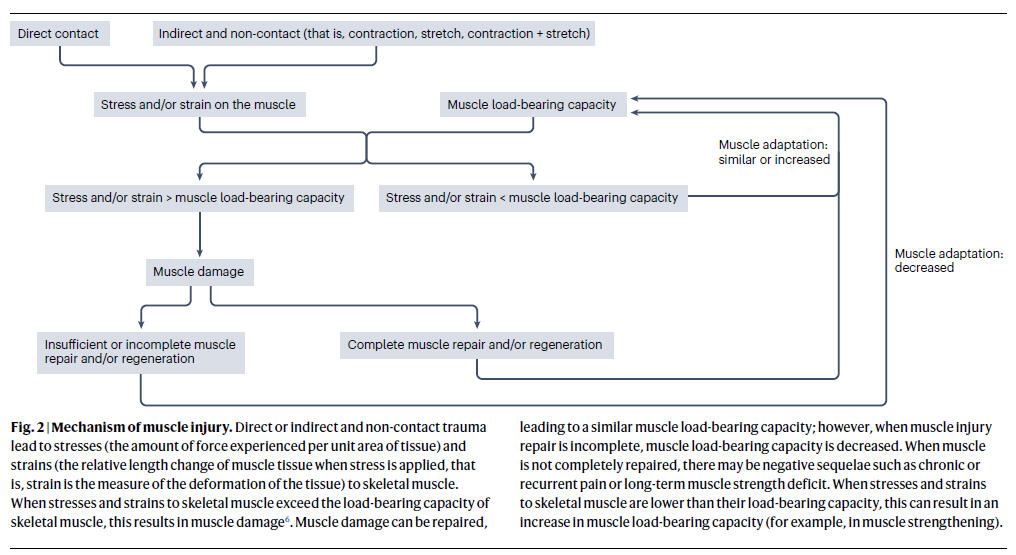
Video analyses have been shown to be a valuable tool for improving the understanding of real-world injury scenarios in sport. By capturing movements in authentic training and competition settings, video-based approaches provide ecologically valid insights into how injuries occur under actual performance demands. This allows researchers and practitioners to better contextualize injury mechanisms and movement patterns that are often difficult to replicate under controlled laboratory conditions.In a detailed overview article, we examined traumatic muscle injuries for the journal Nature Reviews Disease Primer in 2023. We included muscle injury mechanism and pattern mainly based on sports settings, but there are also important findings from occupational science, the military (special forces), and the general population. The overall focus aimed to describe epidemiology and etiology, risk factors, injury mechanisms, diagnosis and screening, and management of muscle injuries.This article represents a valuable resource for gaining an overview of traumatic muscle injuries. However, it is important to acknowledge the limitation that muscle injuries are highly specific with respect to the muscles involved, the affected muscle groups, and the contribution of other anatomical structures (e.g., tendons). Therefore, this overview should be understood as a common denominator for general understanding rather than a detailed representation of all injury-specific characteristics.

Systematic video analysis studies of muscle injuries in sports
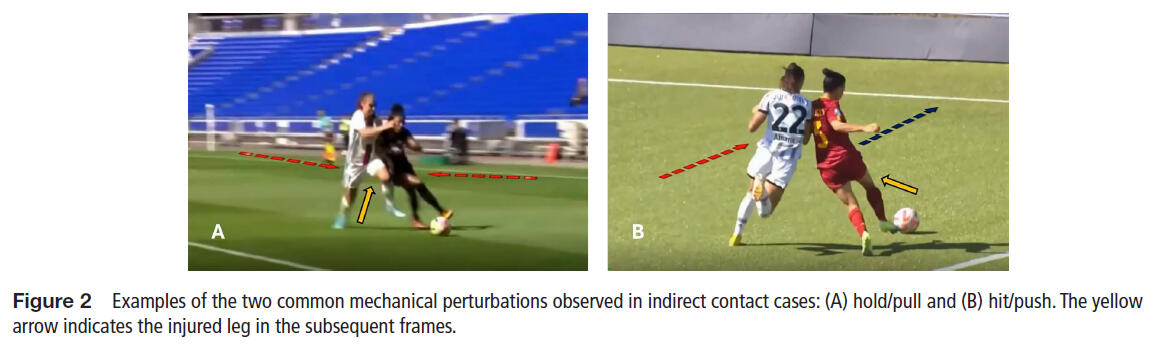
In a first systematic video analysis of injury pattern (including muscle injuries) Klein et al. (2020) analyzed 345 match injuries in German professional football, and found that thigh injuries represent 23.5% of the total identified cases, with hamstring strains specifically accounting for over 20% of the total injury burden in this population. The researchers identified two distinct injury patterns for these muscle injuries: "the sprinter’s thigh injury" and "the perturbation-and-strain thigh injury".The most frequent pattern was the sprinter's thigh injury, which accounts for 54.3% of all thigh injuries and occurs exclusively in non-contact situations. This injury is primarily caused by muscular overload during rapid force movements, most commonly while the player is sprinting or running fast. These incidents often happen during football-specific actions such as dribbling or running up to the ball or an opponent, and foul play is never a factor in this pattern.In contrast, the perturbation-and-strain thigh injury is classified as an indirect contact injury, where an external force influences the movement and leads to a subsequent muscle strain injury. This pattern is almost always associated with a duel situation, such as a running duel or being tackled by an opponent. The injury is typically triggered by a collision or by the opponent pushing or pulling the player, resulting in muscular overload while the player is sprinting or decelerating (lunging).

You can find a short blog post for an overview with clicking on the picture below:

The analysis emphasize that both patterns are characterized by high eccentric loads during explosive movements. By focusing on overall injury patterns in football, including injury pattern beyond muscle injuries, the analytical depth at a detailed level is reduced. Nevertheless, it provides an excellent overview of injury mechanisms and patterns in professional football. This limitation was one of the main reasons why our research group together with the group of Klein et al. choose to focus specifically on the detailed analysis of hamstring injury patterns, particularly within elite-level football in 2022.
Together with my colleague and friend Thomas Ertelt, we hypothesized in 2016 that stretch-related injury patterns of the hamstring muscles are far more prevalent than previously suggested in the literature. To explore this, we developed a model and initiated a simulation of stopping movements. As a stimulus, we applied various muscle insertion characteristics of the long head of the biceps femoris, as reported in several anatomical studies. The simulation demonstrated that, under certain conditions and when the tendon insertion is very close to the joint, forced knee extension can occur during a stopping action depending on closed-chain movement characteristics—an effect resembling the so-called Lombard paradox. While this study was based on numerous assumptions and therefore has a low level of evidence, it provided strong motivation to systematically analyze hamstring injury patterns using real-world movement data derived from video analyses.


Below the schematic anatomical grafical overview, you can see two videos of the simulation: on the left, with a more distal (joint-far) attachment characteristic (green marker) of the long head of the biceps femoris, and on the right, with a more proximal (joint-near) attachment characteristic (red marker). The anatomical representation was adapted from Branch and Anz (2015).

In the following video analysis study, we were able to identify and systematically analyze injury patterns of the hamstring muscles in professional football for the first time. In addition to the qualitative description of injury mechanisms, we complemented the analysis with a kinematic assessment of joint angles, providing further insight into movement characteristics at the time of injury. Although the full article is not freely accessible, an infographic and a German-language summary were made available through the DFB Academy (see link below the infographic).

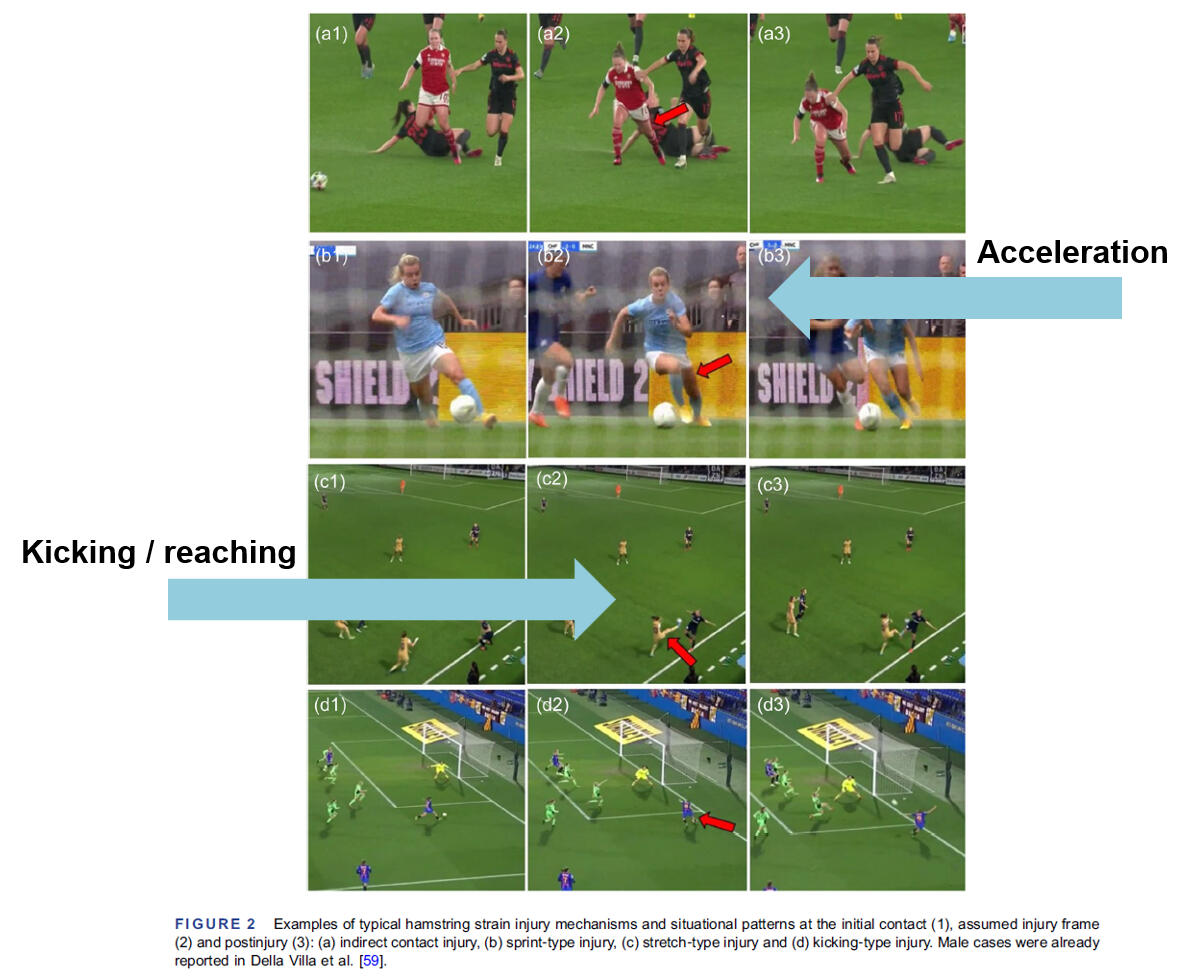
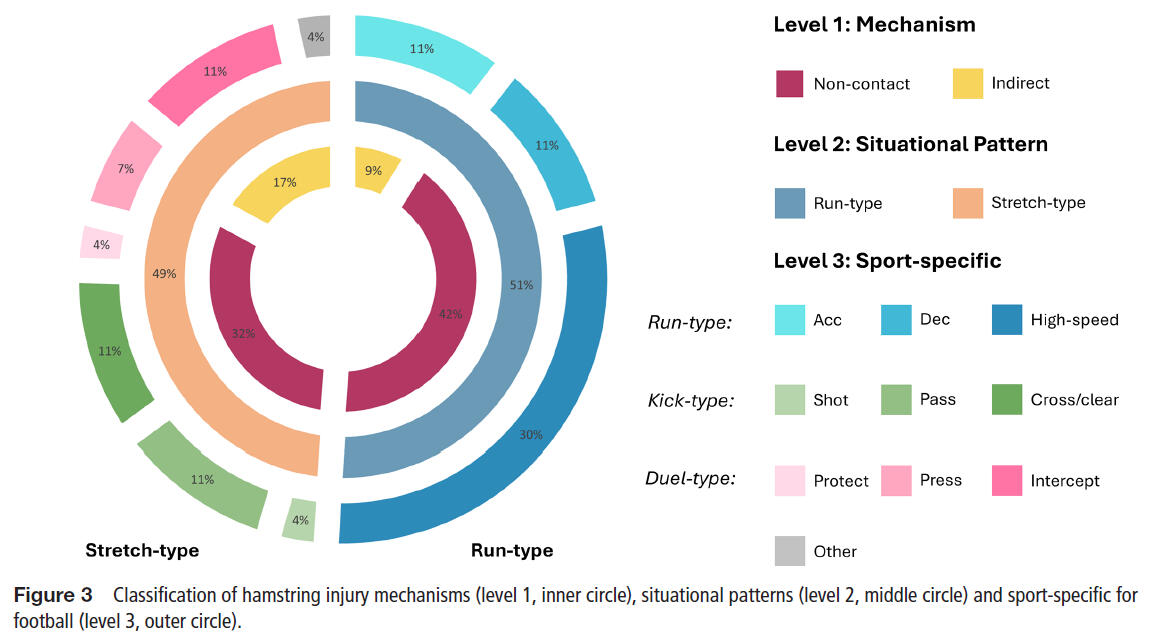
In our study we used systematic video analysis to investigate the injury-inciting events of 52 acute hamstring injuries in German professional male football over four seasons. The research aimed to categorize these injuries by examining movement patterns, kinematics, and situational contexts to better inform risk-reduction strategies.The analysis revealed that hamstring injuries primarily fall into two nearly equal categories: sprint-related patterns (48%) and stretch-related patterns (52%). All sprint-related injuries occurred during linear acceleration or high-speed running. In contrast, stretch-related injuries involved both closed-chain movements—such as braking, stopping, or a lunging action—and open-chain movements, most notably defined as kicking or reaching. Biomechanical analysis of these stretch-related cases showed a consistent kinematic signature: a rapid change of movement from knee flexion to knee extension, with the knee angle being less than 45° (near full extension) at the assumed time of injury. Regarding the anatomy of these injuries, the biceps femoris (specifically the long head) was the most affected muscle, involved in 79% of all cases. We concluded that despite the diversity of inciting events, the common denominator for hamstring injuries is rapid movement with high eccentric demands on the posterior thigh; as the muscle-tendon unit is lengthening.
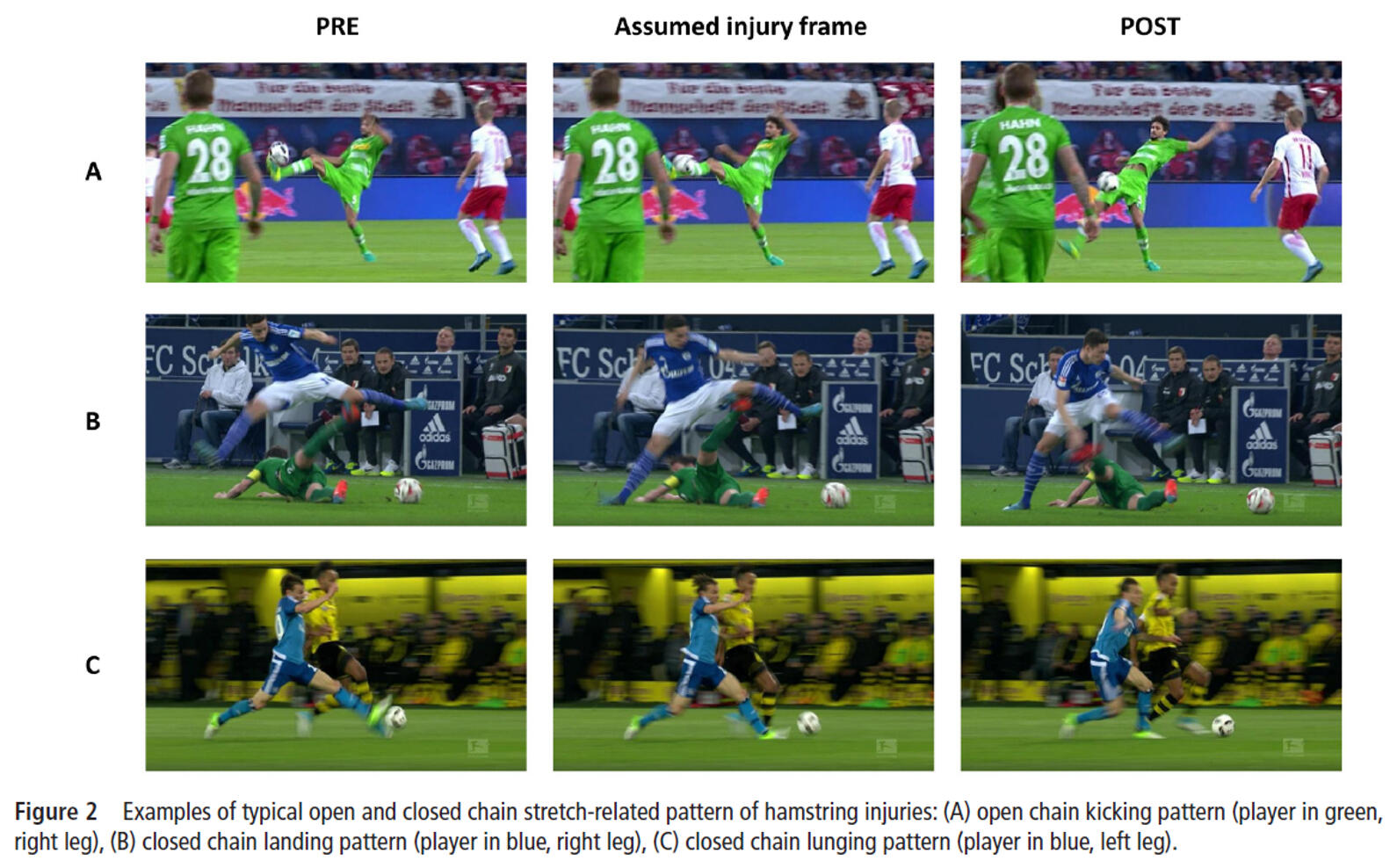
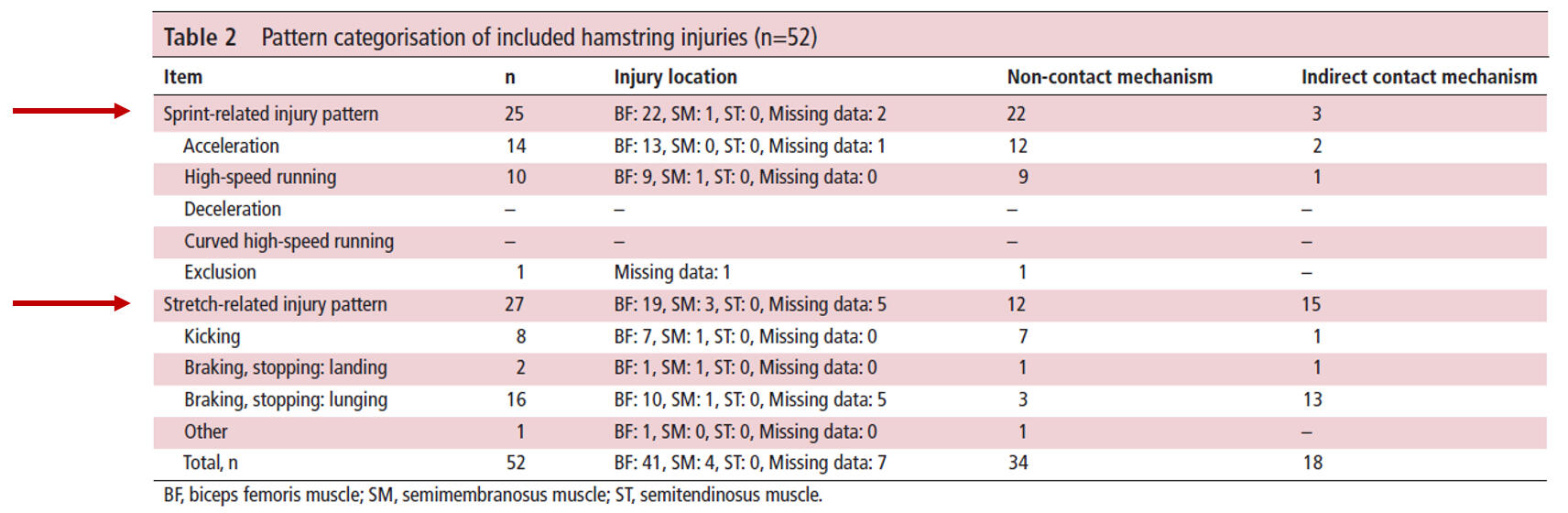
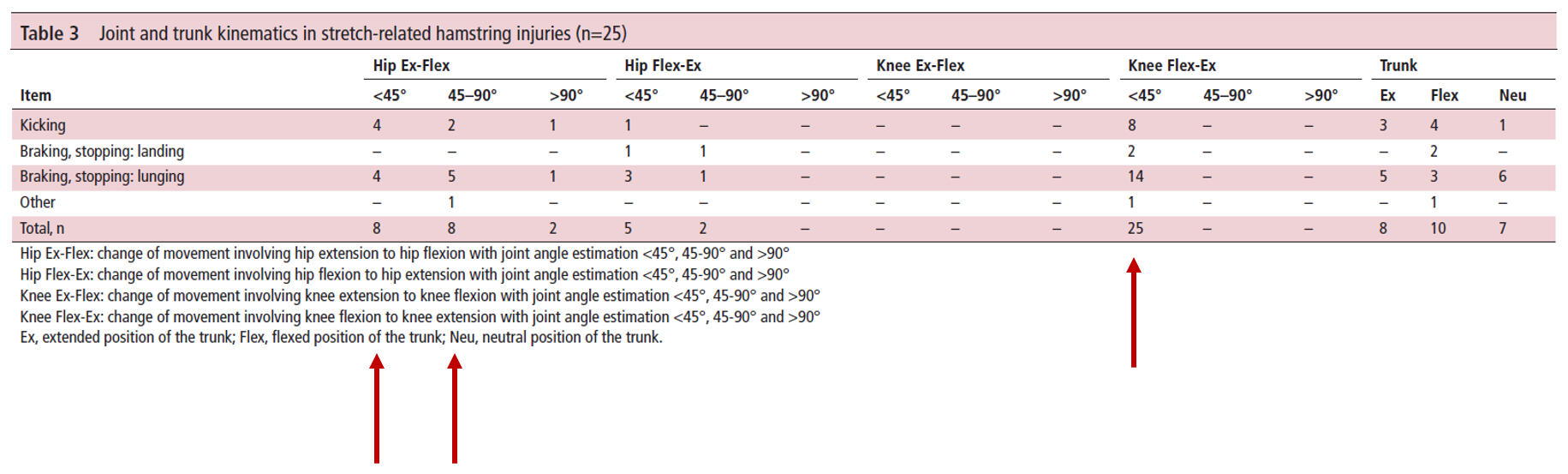
The analysis clearly demonstrated that these injuries are not exclusively linked to high-speed sprinting. Instead, they frequently occurred during actions such as initial acceleration, decelerating, stopping, lunging, and kicking, highlighting that sudden and complex loading scenarios—rather than maximal running speed alone—play a key role in injury occurrence. In this sense, the findings emphasize that it’s not all about sprinting.

In this single example of a stretch-related hamstring injury, it becomes evident that identifying the exact injury-inciting event is not straightforward when relying solely on video analysis. You can watch the corresponding video (published on Twitter) by clicking on the image.

A subsequent study conducted by Kerin et al. (2022) in professional rugby was able to confirm that hamstring injury patterns are diverse and do not arise solely from high-speed running or sprinting activities. In addition, it was demonstrated that sport-specific, rugby-related injury patterns occur, highlighting distinct mechanisms associated with the unique physical and tactical demands of the game.


The authors concluded that an approach to reduce injuries in rugby may involve improving technique around the tackle and ruck, and training hamstring strength at long muscle length (both in trunk and knee flexion), while challenging stability in multiple planes at the trunk. See further example cases below:
A rapid acceleration and/or deceleration pattern was also observed in a hamstring injury sustained by Jürgen Klopp on the sideline of Liverpool FC in 2024. You can watch the corresponding video (published on Youtube) by clicking on the image.

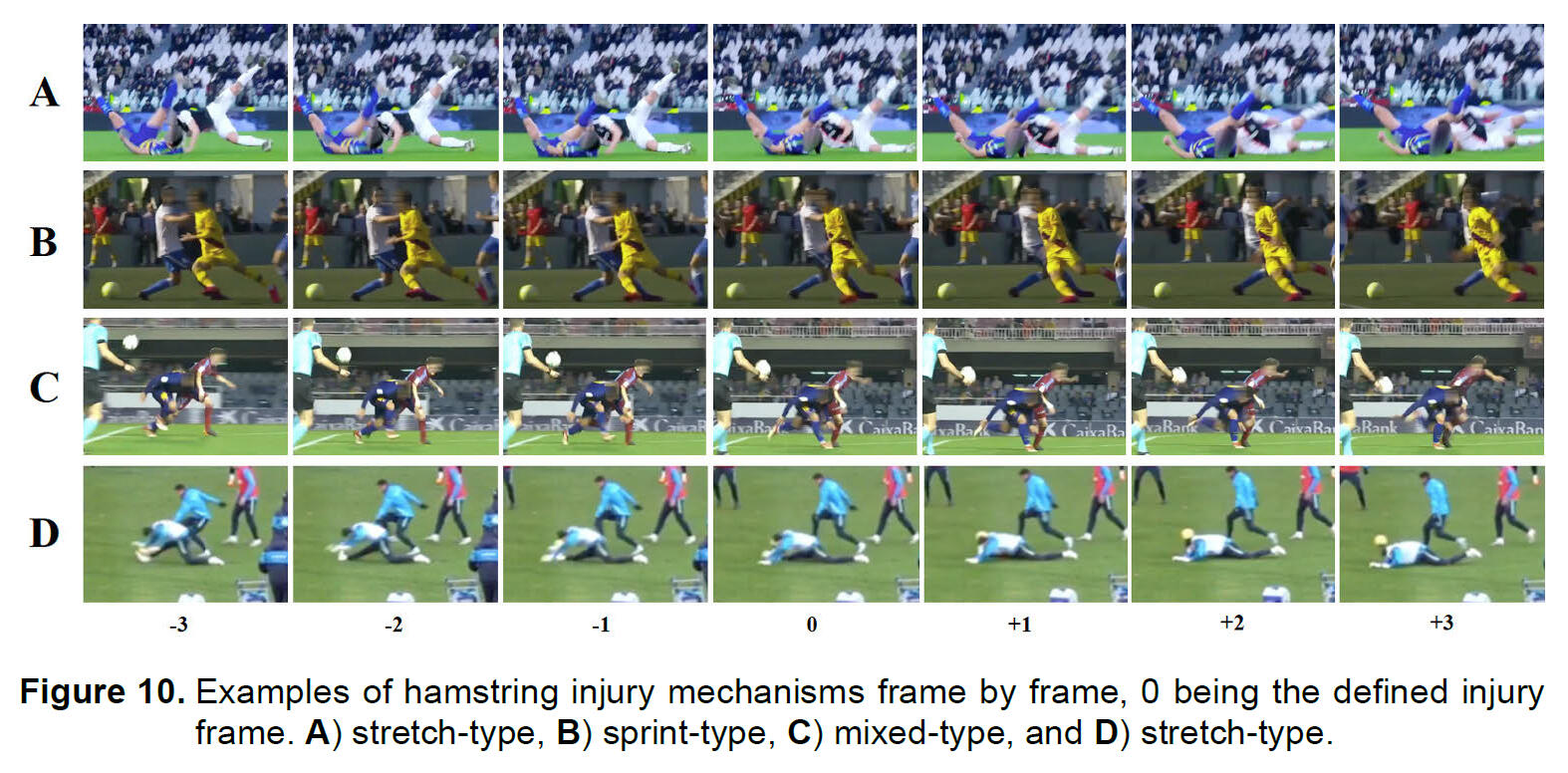
In a further analysis of hamstring injury patterns in professional football, Jokela et al. (2023) were able to show similar findings. Their study of video footage and MRI data from 13 male professional soccer players identified mixed-type (both sprint- and stretch-related), stretch-type, and sprint-type injury mechanisms, with change of direction, kicking, and running being the most common actions. Most injuries occurred at high horizontal speeds, frequently affected the proximal biceps femoris, and involved isolated single-tendon damage. These results reinforce previous observations that hamstring injuries are not solely sprint-related and highlight the importance of considering multiple mechanisms, including mixed-type movements, when assessing and preventing these injuries.


Narrative descriptions of the included cases:
Case 1: A 20-year-old professional male soccer player suffered an acute hamstring injury during a game. The athlete received the ball and started sprinting while the opponent pushed the athlete’s shoulder forcing him to the position of trunk flexion causing excessive stretch to the hamstring muscles. During this action, the athlete felt a sudden pain in his right proximal hamstrings.Case 2: A 21-year-old professional male soccer player suffered an acute hamstring injury during a game. He started to sprint at maximal speed to reach the through pass from his team mate. At high-speed running, he felt a sudden pain in his proximal right hamstring and fell to the ground.Case 3: A 29-year-old professional male soccer player suffered an acute hamstring injury during a game. He was running at maximal speed towards his own team’s goal line to prevent the opponent from receiving the through pass. During high-speed running, he felt a sudden pain in his proximal right hamstring, started limping, and fell to the ground.Case 4: A 21-year-old professional male soccer player suffered an acute hamstring injury during high-speed running while he was dribbling the ball. The athlete made a slight change of direction to the right and felt a sudden pain in his right proximal hamstrings.Case 5: A 22-year-old professional male soccer player suffered an acute hamstring injury during sprinting and changing direction. The athlete was dribbling the ball at a high speed when he made a rapid change of direction to the left while moving the ball from right foot to left foot with right back-heel. Before the rapid change of direction, the athlete extended his right knee and flexed his right hip in order to reach the ball with his back-heel, which led to elongation of the hamstring muscles. During this action the athlete felt a sudden pain in his right hamstring.Case 6: A 24-year-old professional soccer player suffered an acute hamstring injury during a game. He was dribbling the ball and challenging the opponent while moving to the right. He suddenly touched the ball with the right foot and changed his direction to the left. During the quick deceleration he felt a sudden pain in his right distal hamstring.Case 7: A 31-year-old professional soccer player suffered an acute hamstring injury during a game. He changed the direction during running to reach the ball, until he slipped with the leg foot and lost his balance. He uncontrollably ended up in position of powerful trunk flexion, simultaneously running forward. During a step with his left leg, he felt a sudden pain in his left proximal hamstring and fell to the ground.Case 8: A 24-year-old professional male soccer player suffered an acute hamstring injury during a game. The athlete crossed the ball with his right foot. Then he ended up in a position with the trunk flexed and rotated to the left, combined with a stretching movement of the left leg with a hip flexion and knee extension. During this action, the athlete felt a sudden pain in his left hamstrings.Case 9: A 20-year-old professional soccer player suffered an acute hamstring injury during a game. He was running at high speed with the ball rolling in front of him. To keep the ball on the field he kicked the ball backward-directed with his left heel. During the ball contact, he felt a sudden pain in his proximal left hamstring.Case 10: A 37-year-old professional soccer player suffered an acute hamstring injury during a game. He was sprinting towards his own goal to prevent the opponent from scoring. He was approaching to kick the ball to clear it to the side until he slipped his supporting leg leading to lost balance and hyperflexion of his right knee. During this slip, he felt a sudden pain in his supporting leg (right) distal hamstring.Case 11: A 21-year-old professional soccer player suffered an acute hamstring injury during a game. He was playing in a defensive line and tried to clear the ball from the air. He kicked the ball with his right foot, during of which he felt a sudden pain in his distal hamstring and had to quit playing.Case 12: A 28-year-old professional male soccer player suffered an acute hamstring injury during a game. The athlete jumped into the air to reach the ball with his head. After powerful upper body contact with the opponent in the air, the athlete uncontrollably ended up in a position with a forceful forward flexion of the right hip with the ipsilateral knee in extension, thereby violently overstretching and eccentrically contracting the hamstring muscles. The athlete landed on his buttock inducing the hamstring muscles to rapidly stretch and eccentrically contract even more thus increasing the total energy of the injury.Case 13: A 28-year-old professional male soccer goalkeeper suffered an acute hamstring injury during a training session. The athlete slipped during a sudden turn while controlling the ball, which made him lose balance on his movement. Then he reached the ball with his right foot ending rapidly in a sagittal split position with excessive hip flexion combined with extended knee. At the onset of injury, the athlete felt a sudden pain in his proximal hamstrings of the front leg.Case 14: A 20-year-old professional male soccer player suffered an acute hamstring injury during a game. He was shielding a ball and battling with the opponent who was behind him. Due to contact with the opponent, the player lost his balance and was forced to sagittal split position with the left hip flexed and knee extended. The opponent was bearing his weight on the player, during of which he felt a sudden pain in his proximal hamstring of the front leg.
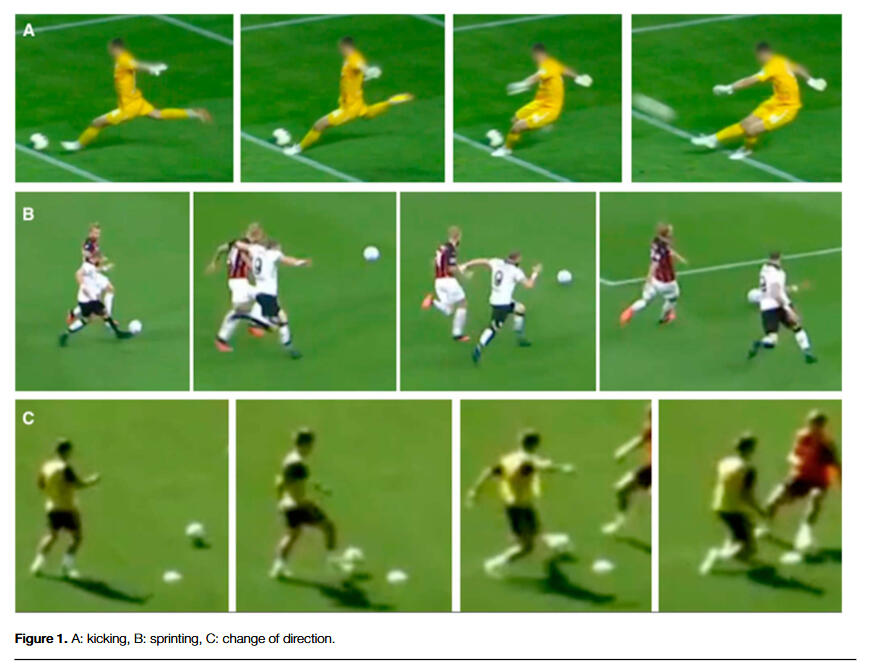
Similar pictures were also seen in a case analysis by Giacomo et al. (2018) within a study evaluating a new testing and training device for hamstring muscle function:

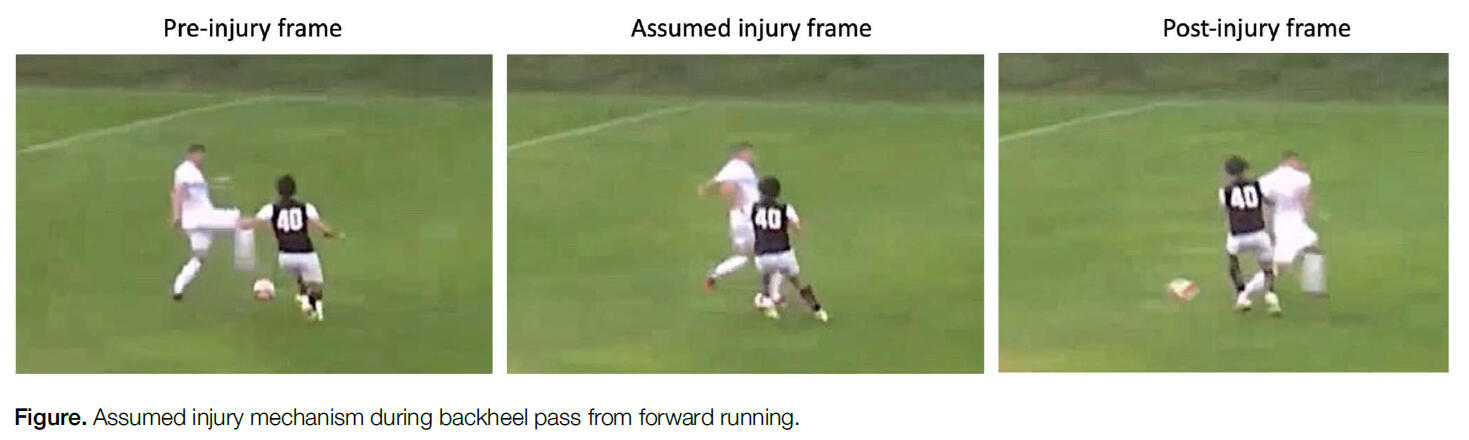
While the most severe hamstring injuries—proximal hamstring tendon avulsions—are usually sustained during forced hip hyperflexion combined with knee extension in a closed kinetic chain, a recent case study identifies a potentially new, football-specific injury mechanism: the backheel pass during forward running.This newly described mechanism involves an open-kinetic chain movement that occurs when a player performing a forward run executes a rapid kick directly backward. Biomechanically, the player first performs an accentuated hip flexion (to approximately 90°), which is immediately followed by rapid knee and hip extension to make contact with the ball. This sequence creates a rapid stretch-shortening cycle action, where the hamstring muscle-tendon complex undergoes a proximal-to-distal active lengthening followed by a powerful shortening.The clinical severity of this mechanism is significant; in the documented case of a professional international-level player, the explosive backheel pass resulted in a complete avulsion of the proximal common tendon of the biceps femoris and semitendinosus, alongside multiple lower-grade muscle-tendon ruptures. This injury required surgical reattachment and a seven-month rehabilitation period before the athlete could return to play.From a preventive perspective, this case highlights that standard injury prevention may not cover all football-specific demands. Coaches and clinicians should consider incorporating specific exercises that involve rapid stretch-shortening cycle actions of the hamstring muscles into training programs to mitigate the risk of severe injuries associated with these types of explosive, open-kinetic chain movements.

In a large-scale video analysis by Della Villa et al. (2023), patterns of severe lower limb muscle injuries in football players were systematically examined. The study confirmed that closed kinetic chain stretch-type injuries are common, yet remain an underrepresented situational pattern. It also showed that severe muscle injuries predominantly occur during offensive situations, high-intensity horizontal movements, and on the dominant kicking leg. Additionally, while injuries are more likely later in each half, they were observed more often in the first half, highlighting the complex interplay of situational, biomechanical, and temporal factors in severe lower limb muscle injuries.


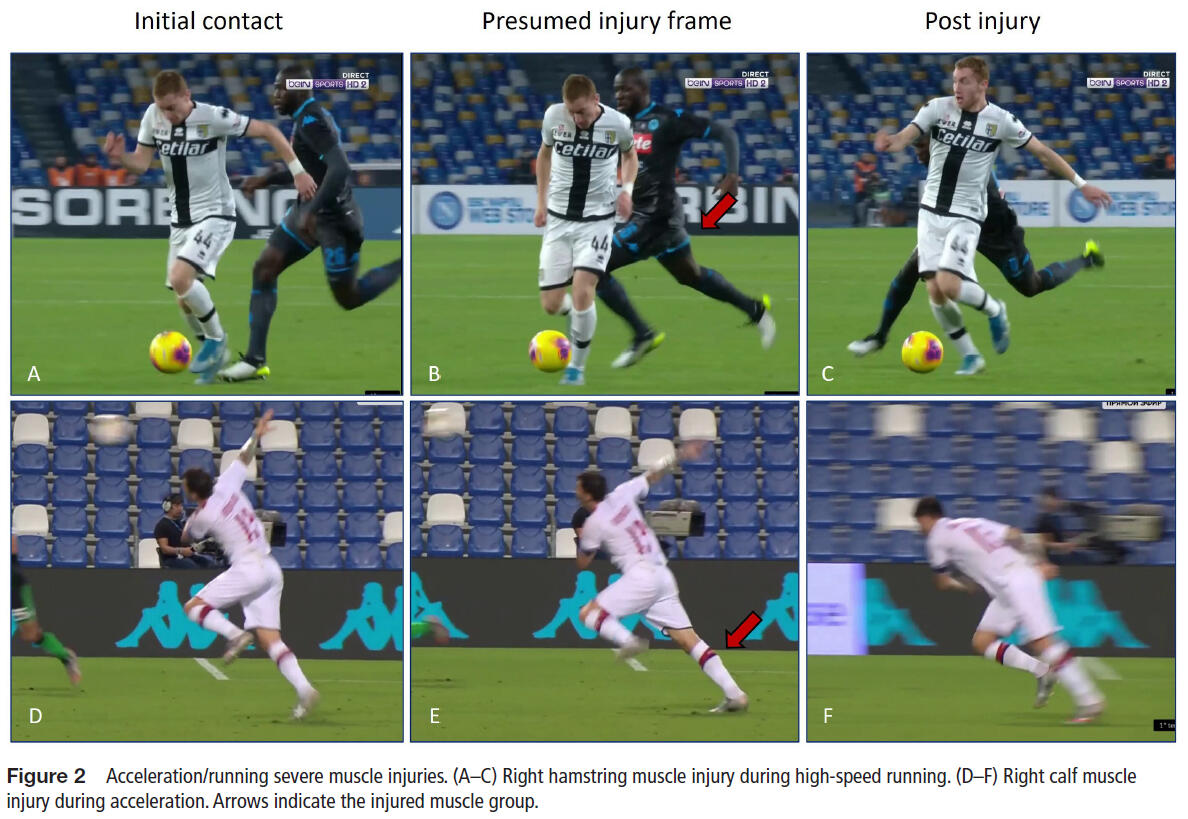
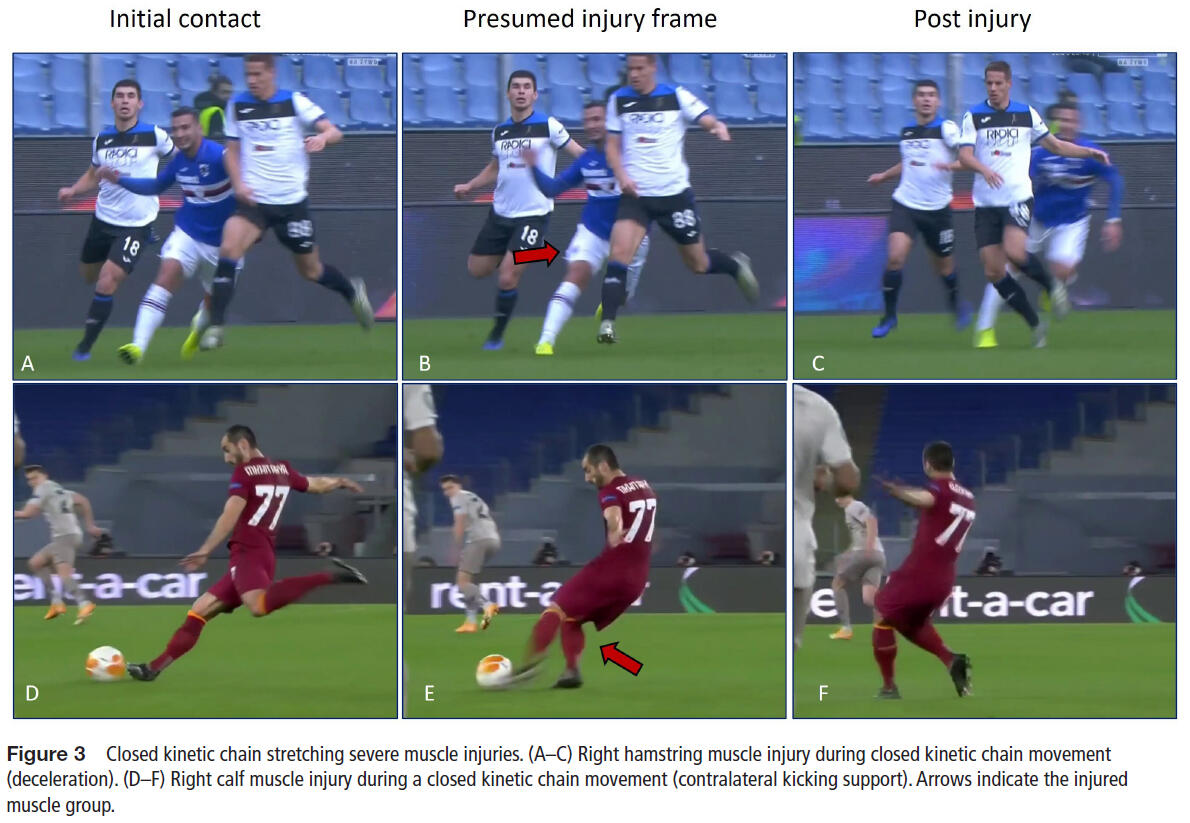
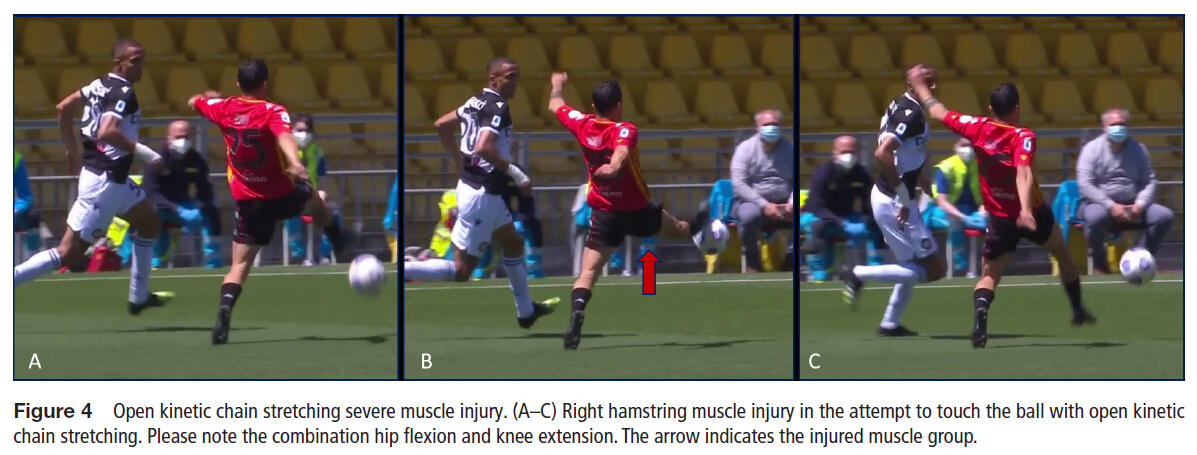
This study by Della Villa et al. (2023) was the first to include data from professional female football players. In a subsequent analysis, these female-specific cases were explicitly examined and evaluated, revealing very similar injury patterns compared with male players. This could be further specified in the study from Pellegrini et al. (2025).


Further video analysis of muscle injuries in sports – mainly from professional football
I can highly recommend the doctoral dissertation from Aleksi Jokela from 2025 about thigh muscle-tendon injuries in athletes – from the analysis of injury mechanisms to a novel diagnostic technique and surgical treatment.





Synthesis of systematic video analyses of muscle injuries in sport with a meta-analysis
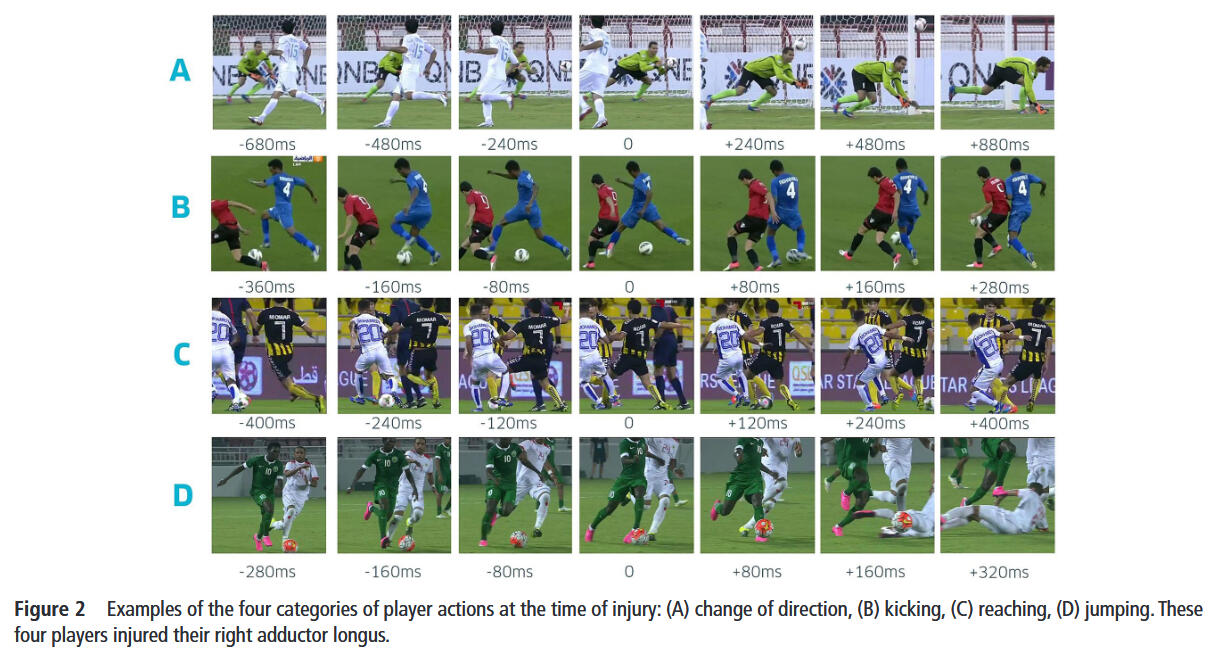
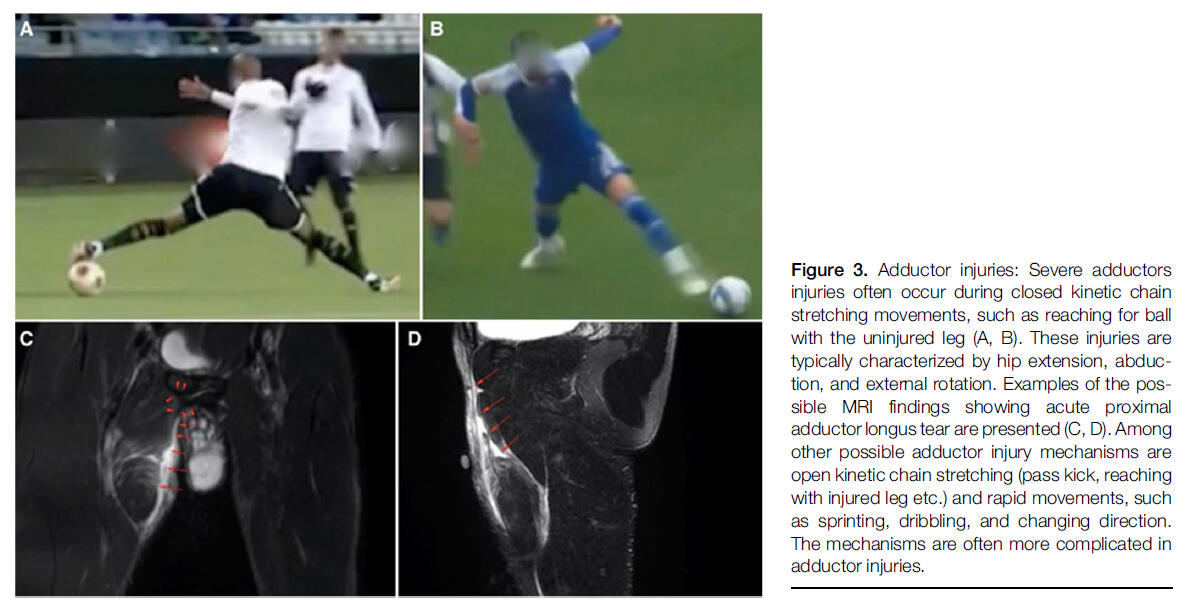
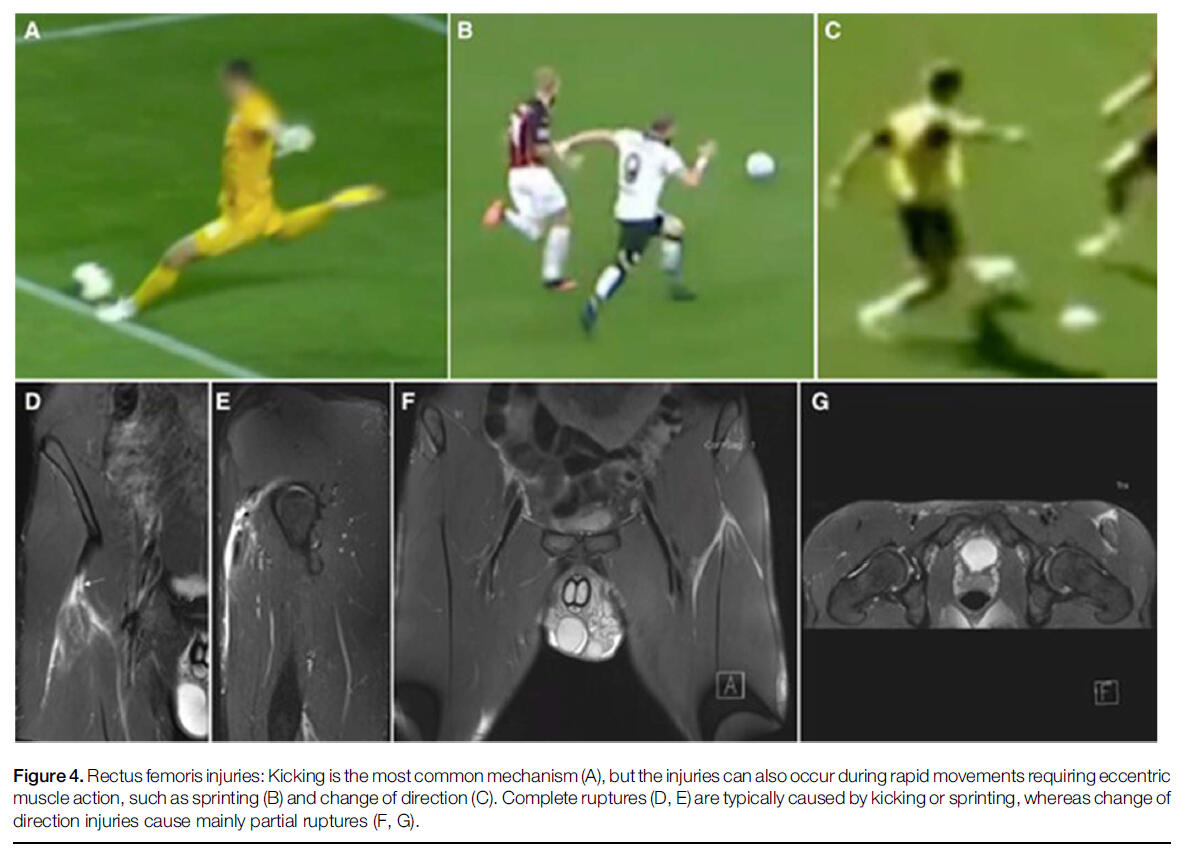
In our recent systematic review and meta-analysis of 21 video anaylsis studies muscle injury patterns were characterised from 728 video-detected muscle injuries in sports as being the most comprehensive analysis of muscle injury patterns currently available. Qualitative and quantitative situational characteristics (e.g., injury contact mechanism, joint positions at injury time) of hamstring, adductor, quadriceps and calf muscle injuries are described in detail. While general principles of muscle injury causation are applicable (e.g., high muscle activation while being at length during the assumed time of injury), certain injury patterns are more specific to particular injury locations and sports.

Non-contact mechanisms were more common (74%) than indirect contact mechanisms (26%). Most injuries were either running-related or occurred during sport-specific manoeuvres involving muscle-tendon unit length changes under active muscle contraction. For hamstring injuries, the most frequently reported injury kinematics comprised a knee joint position close to extension (underlying movement direction: flexion to extension) and a flexed hip joint position (underlying movement direction: variable). For adductor injuries, injury kinematics were characterised by rapid muscle lengthening due to hip extension, abduction and external rotation. For rectus femoris injuries, the observed injury kinematic comprised a flexing hip joint movement and extending knee joint movement. For calf injuries, the typical injury pattern comprised an ankle dorsiflexion movement with the knee being close to extension and the ankle in >10° dorsiflexion at the assumed injury time.
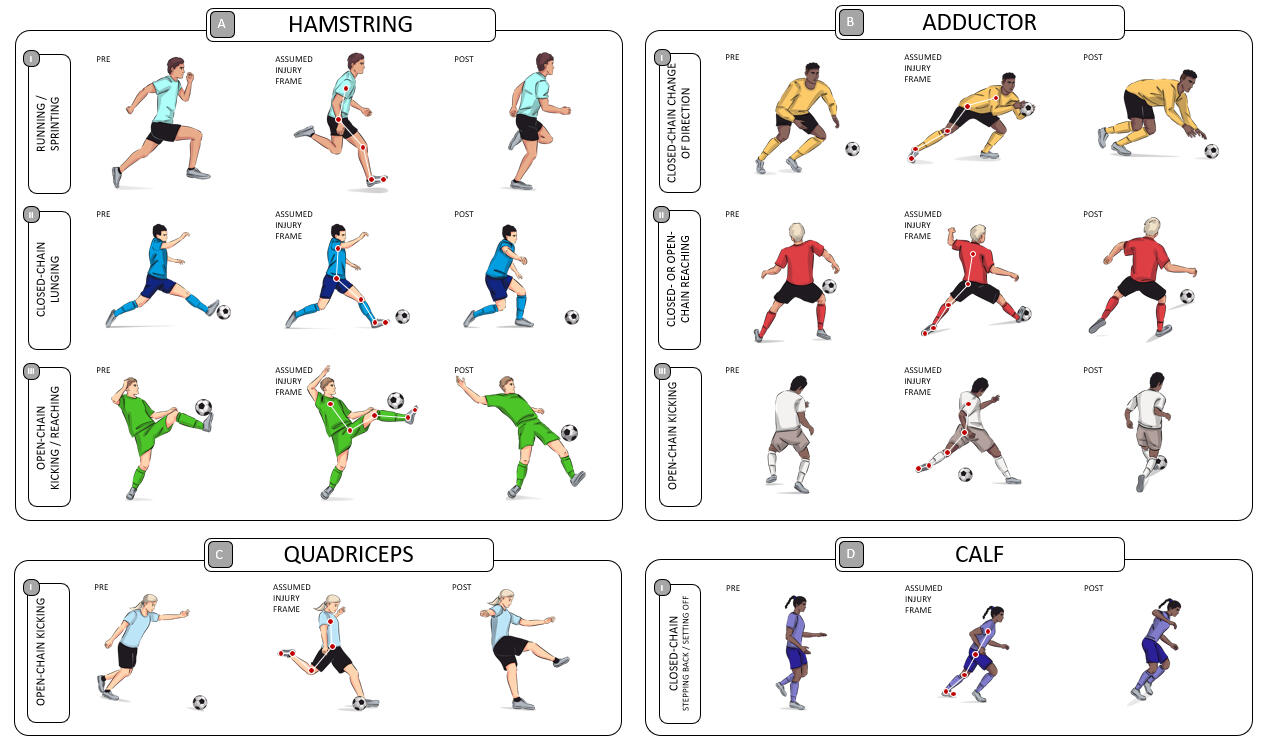
Illustrations of situational patterns for indirect and non-contact muscle injuries (muscle strains). Please note that only a selection of the most common injury patterns based on included studies is illustrated (acknowledge the predominance of studies investigating male football players).A-I. Hamstring (running/sprinting): Hamstring injuries are frequently seen during high-speed running or acceleration phases. Modelling studies and case reports identified the open-chain late swing phase as being most vulnerable to injury. During this phase of the gait cycle, the muscle-tendon unit of the biceps femoris lengthens. However, confirmation of this finding appraising systematic real-world video data is yet to be done, and the specific running phase in which athletes are most vulnerable to hamstring injury remains a matter of debate.A-II. Hamstring (closed kinetic chain lunging injury pattern): The athlete performs a decelerating closed kinetic chain maneuver. At the assumed time of injury, the knee joint is close to full extension, the hip joint is in a flexed position (that is, lunging position). In the illustrated example, the trunk position is neutral (in reference to the earth horizontal) but varying trunk positions have been reported to be present at the assumed time of injury.A-III. Hamstring (open-chain kicking or reaching injury pattern): Open-chain injury patterns are typically observed during kicking or reaching maneuvers. Injury kinematics comprise a flexed hip joint combined with an extending knee joint movement. These injuries have been traditionally considered as overstretching injuries with the muscle-tendon unit being lengthened past its limit.B-I. Adductor (closed-chain change of direction injury pattern): Changes of directions are common situational patterns for adductor muscle injuries. The athlete performs a change of direction to catch a ball opposite to the moving direction. At the assumed time of injury, the injured leg is abducted and externally rotated while the adductor muscles are simultaneously activated to perform the deceleration and change of direction manoeuvre.B-II. Adductor (closed- or open-chain reaching injury pattern): The athlete performs a reaching manoeuvre with the non-injured leg towards the ball. At the assumed time of injury, the adductor muscle-tendon unit of the injury leg is lengthening due to hip extension, hip abduction and hip external rotation.B-III. Adductor (open-chain kicking injury pattern): This injury pattern shows similar injury kinematics (including hip abduction and external rotation) but is an open-chain injury pattern due to the player’s intention of kicking a ball with the injury-sided leg.C-I. Quadriceps (open-chain kicking injury pattern): A common observed injury kinematic of quadriceps injuries comprise a flexing hip joint and extending knee joint movement (that is, kicking manoeuvre).D-I. Calf (closed-chain stepping back injury pattern): In the illustrated example, the athlete is setting of to take a run (e.g., by performing a back-step manoeuvre). These manoeuvres are not only seen in running or football but are common in racquet sports (leading gastrocnemius muscle injury to be named “tennis leg”) or basketball. The underlying joint movements are ankle dorsiflexion and knee extension, thereby lengthening the calf muscle tendon unit. At the assumed time of injury, the knee is close to full extension, the ankle in more than 10° dorsiflexion, and the foot in external rotation.
Calf muscle injuries should be understood as occurring along a continuum that may involve tendon structures and, in more severe cases, even progress to Achilles tendon ruptures. Video-based analyses conducted by our research group and others have provided important insights into this spectrum of injury. These analyses have shown that most Achilles tendon ruptures in professional male football players occur as closed-chain, indirect, or non-contact injuries, with sudden loading of the plantarflexor musculotendinous unit representing the primary injury mechanism. Importantly, the identified rupture mechanisms confirm and support the injury patterns observed in calf muscle injuries, highlighting a shared underlying mechanical and functional profile across the muscle–tendon continuum.

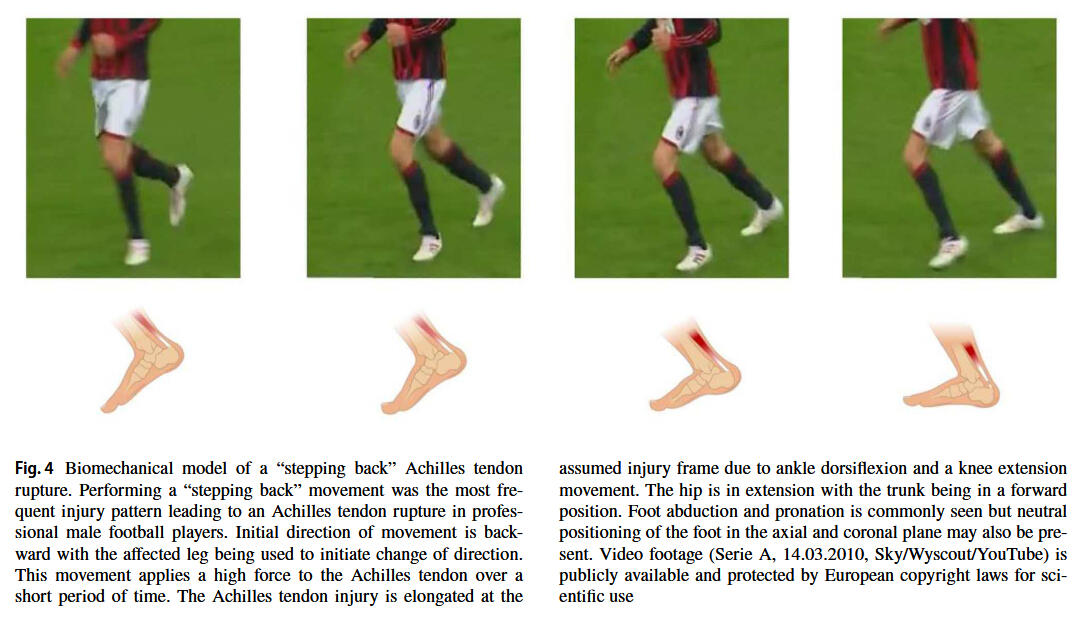
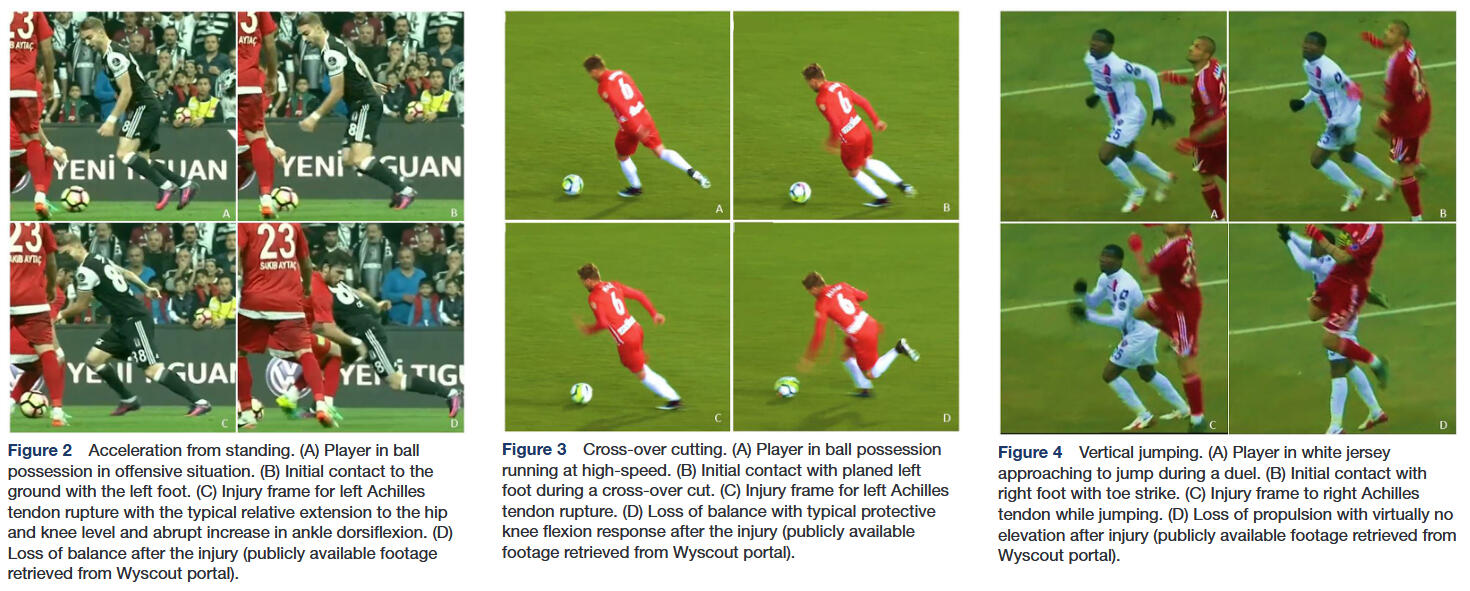
The analysis by Della Villa et al. (2022) complementary showed that all Achilles tendon ruptures in professional football were either non-contact (83%) or indirect contact (17%) injuries. The most common situational patterns included forward acceleration from a standing position, cross-over cutting, and vertical jumping. Biomechanical characteristics were highly consistent and were likely triggered by multiplanar, though predominantly sagittal, loading of the injured Achilles tendon.

Differences and similarities across injury locations
Differences were identified regarding the activities performed during the assumed injury-inciting activity. More than 50% of the reported hamstring and calf injuries (that is, lower limb functional posterior chain) were associated with running compared to less than a quarter for adductor and for quadriceps injuries. The hamstring muscles are needed for the swing phase during the running gait cycle, whereas the calf is essential for the specifics of the stance phase. Both muscle groups are processing high eccentric demands, which can contribute to injury. Kicking injuries were present in more than two-thirds of the quadriceps injuries, about a third in adductor injuries and less than a quarter of the hamstring injuries. All of the muscle groups are involved in the kicking manoeuvre but in different phases, which might lead to varying frequencies. The greatest elongation with simultaneous activation of the adductor longus occurs in the backswing phase of the kicking movement, whereas the rectus femoris generates high eccentric forces in the early swing phase of the kick. The hamstring muscles are at length towards the end of the kick when high muscle activation or overstretch could lead to muscle injury. These results indicate the need for muscle-specific injury prevention strategies (e.g., hamstring and calf injury prevention strategies may include preparation for running and sprinting, as well as acceleration and deceleration exercises).Indirect and non-contact muscle injuries often occur due to overstretching or excessive strain on muscle fibres. In addition, these injuries are associated with eccentric movements, leading to the muscle-tendon unit being overstretched while simultaneously generating force. The majority of muscle injuries were reported in biarticular muscle groups. As biarticular muscles are subjected to high neuromuscular demands during different phases of movement and their multifunctional role in movement control, they are at an increased risk of injury. Regarding biarticular muscles, the rate of non-contact muscle injuries ranged between three-quarters and nine in ten injuries. This constant result provides relevant information to help the development of muscle injury prevention strategies, which, whatever the muscle group, could be targeted in prioritising non-contact injury mechanisms and to prepare these actions with high loads and implement specific exercises for the demand profile of specific sports activities. However, understanding the indirect contact mechanism of muscle injuries can potentially include valuable sport-specific solutions to risk mitigation programs (e.g., including perturbation-type exercises of deceleration activities of lunging, stopping or landing). Video analysis of muscle injuries may expand the understanding of injury causation, among others, by considering the complex interplay of contributing factors such as situational characteristics, lower leg anatomy and neuromuscular control. For future research, a major advancement could lie in the assessment of (magnetic resonance) imaging in order to correlate situational characteristics of injury with specific imaging finding (e.g., intramuscular injuries, myotendinous junction injuries, or bony avulsions).The timing of injury during team sports matches remains a matter of debate. Some previous research found more injuries towards the second half, but other studies reported more injuries in the first half. Our systematic review of six studies showed a slight tendency towards more injuries in the first half. Practically, this may lead to the assumption that the sudden onset of high-intensity activities (e.g., by insufficient warm-up or by selecting players with a pre-existing minor muscle injury) could have a higher impact on muscle injuries than fatigue at the end of a match. However, in the female subgroup, limited data was available, showing an even distribution of injuries in the first and second half. Due to limited data, it is necessary to do further research on this subject. Of note, the match time is of less interest but rather the minute the player is on the field (in case of substitutions). At present, no conclusions on the impact of match time on injury occurrence can be drawn.
Practical implications for injury risk reduction
A causal understanding on injury occurrence is essential for designing injury risk reduction strategies. The findings from our systematic review help guiding the development of new injury prevention programs. Many researchers and clinicians suggest that injury risk can be reduced through exercise programs that specifically target the underlying causes of injury (“the problem is the solution”). For instance, since hamstring injuries are thought to occur primarily during sprinting and eccentric muscle contraction, sprinting itself and the Nordic hamstring exercise have been widely implemented in clinical practice. Studies indicate that specific exercise-based prevention programmes can reduce hamstring injury rates by up to 35%. Based on this review, strategies to prevent hamstring (and also calf) injuries may include preparation for running and sprinting, as well as acceleration and deceleration (including kicking and reaching) drills. Perturbation-based training may also be beneficial, given the neuromuscular component especially in indirect contact mechanism of injury occurrence. In contrast, adductor injuries, which often occur when the muscle is at maximal length, may be better addressed through exercises involving hip external rotation, hip abduction and hip extension. Additionally, muscle activation demands should be incorporated. Given the preliminary findings of sport-specific injury patterns, tailored prevention programs need to be considered for individual sports. We emphasize, however, that, while highlighting the aforementioned translation of findings clinical practice, the effectiveness of preventive approaches must ultimately be proven with clinical trials.
Methodological considerations
A major methodological consideration of this systematic review is that most of the studies were focused on muscle injuries in football. The large number of running-related injuries would potentially change if more data from other sports were available (e.g., gymnastics, dancing). In addition, data on female muscle injuries was rarely available due to the lack of video recordings in female sports. The authors call for prioritizing future research to close this data gap. Most studies analysed hamstring injuries; limited data was available for other muscle groups. Furthermore, some studies failed to adequately report information about the video source and quality, the raters' qualification, a representative study population and validated methods. This led to varying quality scores from low to high quality which might have influenced further analysis. Reporting can be improved by adhering to specific guidelines for conducting and reporting studies, which could be based on the QA-SIVAS scale (see below). The studies used different methods and terminology, and some studies had limited data available which all together might have led to the varying heterogeneity in the meta-analyses. Sensitivity analysis revealed lower heterogeneity by excluding studies of lower quality. This may indicate that future research needs to be guided by rigorous quality standards. Another limitation of this study is the aspect of video analysis itself. Video analyses can only be as good as the video quality (including recording procedures and standards) and rely on multiple camera views to enable high-quality kinematic analysis. To advance research and to standardise the documentation of injury patterns, collaborative efforts aimed at achieving international consensus are needed. This would facilitate further comparative studies and meta-analyses. Efforts have been made recently regarding terminology used in football and netball, but standardisation remains insufficient.
Quality assurance for video analysis in sports
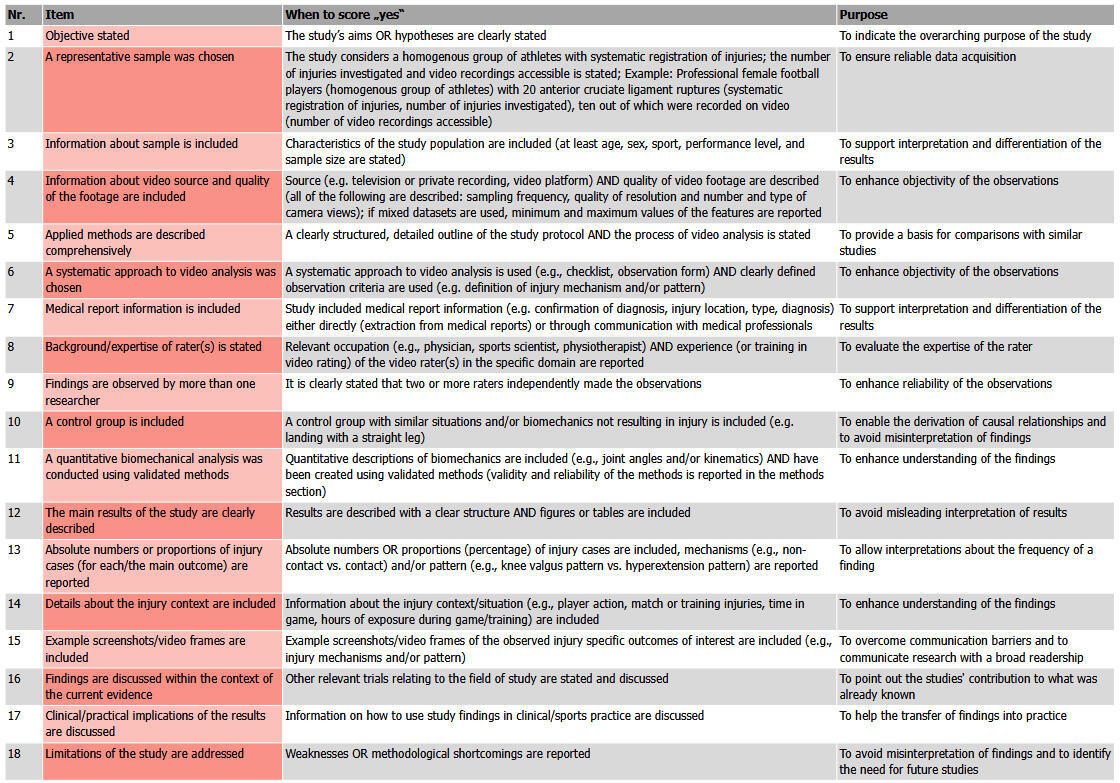
When synthesizing injury pattern analyses based on video data, we observed a lack of standardized methodological frameworks and quality appraisal criteria for video analysis studies in sports injury research. This methodological heterogeneity poses challenges for comparing findings across studies and for conducting high-quality systematic reviews. To address this gap, we developed the Quality Appraisal for Sports Injury Video Analysis Studies (QA-SIVAS) scale in 2024.Video analysis is widely used in the investigation of sports injuries and has attracted growing research interest; however, until recently, no validated tool existed to assess the methodological quality of such studies. The QA-SIVAS scale was developed using a modified Delphi process incorporating expert consensus and pilot testing. The resulting 18-item checklist evaluates key aspects of video analysis studies, including study design, data sources, conduct, reporting, and interpretation.The QA-SIVAS demonstrated excellent inter- and intra-rater reliability, high construct validity when compared with expert ratings, and a practical application time of approximately 10 minutes per article. The scale is already being used both to evaluate existing video analysis studies and to guide the methodological design of future research in sporting contexts. Overall, QA-SIVAS provides a reliable and valid framework and underscores the need for standardized methodological criteria and rigorous quality guidelines in sports injury video analysis research.

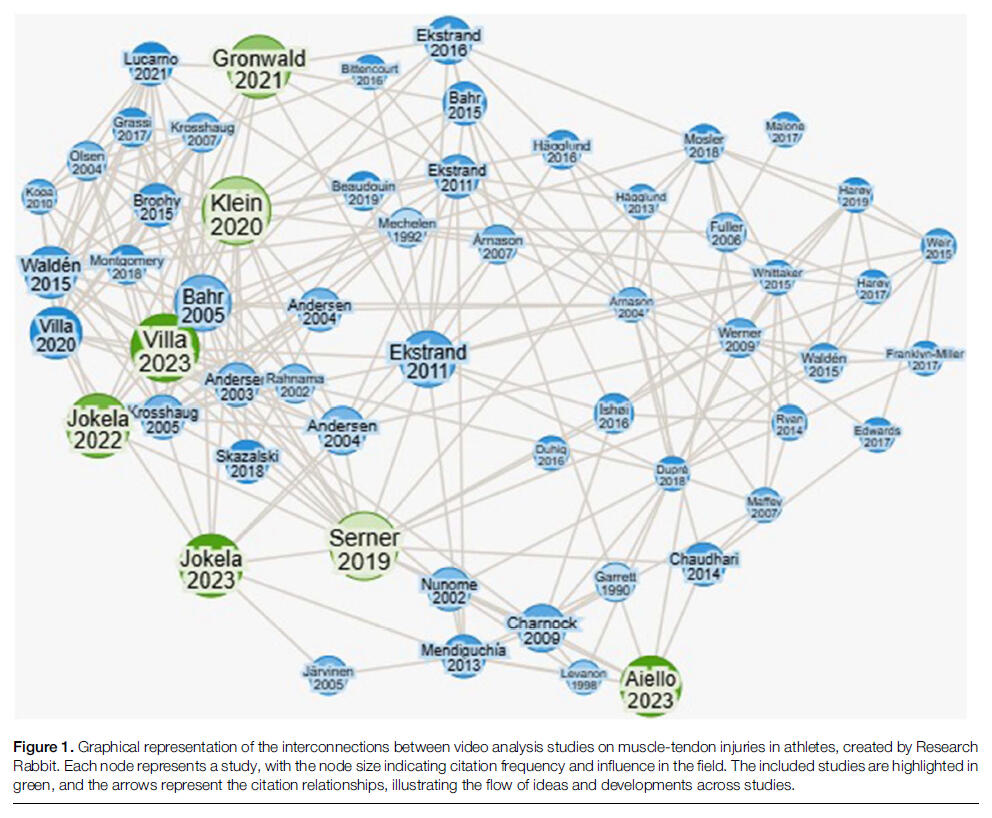
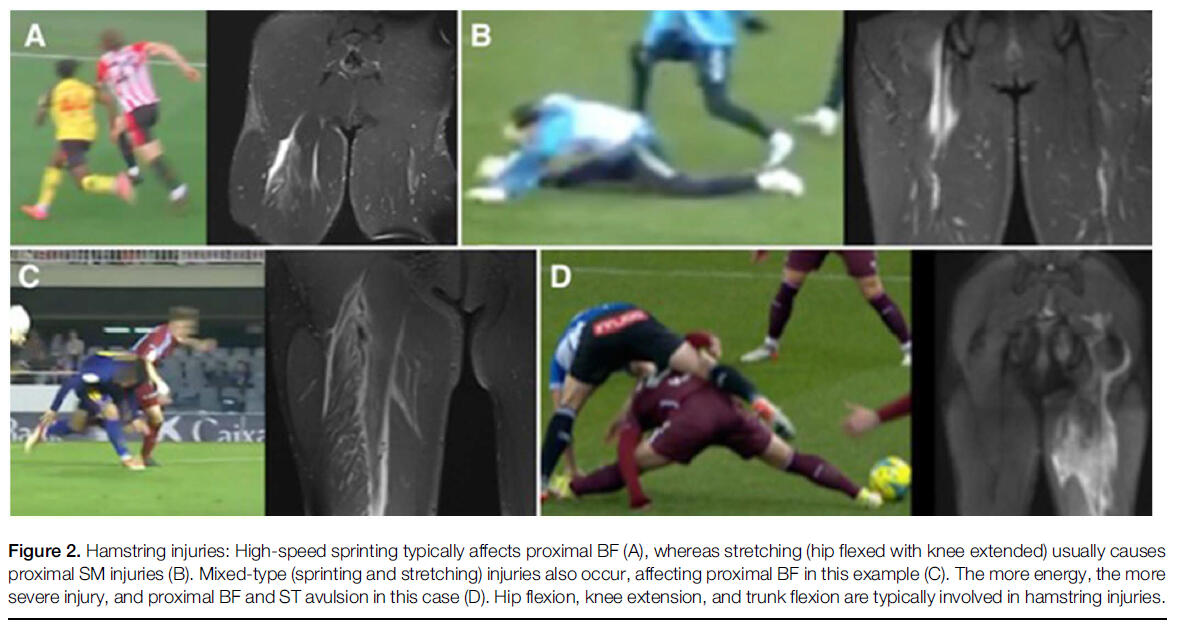
A further narrative review from Palermi et al. (2025) provides a structured overview of how video analysis has been used to investigate muscle–tendon injury mechanisms in sport, with a specific focus on thigh injuries in football. By synthesizing findings from studies applying video-based methodologies, the article highlights the value of video analysis for understanding real-world injury scenarios, while also addressing its methodological strengths, limitations, and inherent constraints. In addition, the review outlines how these insights can inform prevention and rehabilitation strategies, offering practical considerations and recommendations for applied sports medicine and performance settings.

Concluding remarks
In conclusion, video analysis in sport should not be viewed merely as a tool for describing movement patterns, but as an important component in understanding injury mechanisms. A growing body of research and data indicates that so-called muscle injuries often involve tendon structures as well. This highlights the need to consider the distinct mechanical and biological properties of the different tissues involved when designing both preventive and rehabilitative interventions. In this context, careful attention to injury patterns and the severity of the injury is essential to ensure a more targeted, effective, and tissue-specific approach to athlete care.To add more context relating injury risk reduction; specific loading is a key principle in strength and conditioning training. While training does not need to mirror injury mechanisms in every detail, common injury patterns can help us understand how muscle injuries frequently occur. By analyzing these patterns, valuable information about shared characteristics of muscle actions and movement demands can be identified.However, this does not mean that all preventive strategies should be strictly based on injury mechanisms. A major goal of training is also to build general capacity, such as maximal strength. This foundational capacity allows athletes to later develop more specific forms of strength, for example faster eccentric muscle actions or high-speed force production, both in the gym and on the field. Therefore, effective training combines general strength development (on a general and demand-specific continuum) with progressively more specific loading strategies.I believe this is also one reason why the Nordic Hamstring Exercise shows such strong effects when performed regularly, even though it does not closely match the high-speed movement and injury mechanisms seen especially in football. The exercise helps establish a solid capacity base, which can then be used to support other (more specific) training methods and modalities. Relating hamstring injuries, an additional hypothesis is that, because the posterior chain has often not been trained in a targeted and systematic way in the past, a single specific exercise can produce substantial adaptations. In this sense, the Nordic Hamstring Exercise may achieve large effects due to the principle of early adaptation, where previously underloaded structures respond strongly to a new, specific stimulus.Interestingly, our review of traumatic muscle injuries revealed that hamstring injuries—being the most frequently reported and best-described injury type in the literature—exhibit patterns comparable to those observed in sport, while also reflecting distinct characteristics associated with everyday and occupational activities.

Kuske et al. (2016): As is typically reported, most hamstring injuries were due to sporting activities, however we highlight a proportion of injuries caused by simple low impact falls and slips; This has not been well described previously. We identified one report looking at non-athletes that described six patients where flexion of the hip with hyperextension of the knee during everyday activities such as missing a step during walking or gardening led to complete hamstring avulsions.
Irger et al. (2020): The mechanism of injury is typically forced flexion of the hip with the ipsilateral knee in extension during sports participation or slips and falls during activities of daily living. In accordance with other studies, sport was the most common cause of injury in the present study, accounting for 52% of all injuries. In other studies, however, a slip or fall during activities of daily living was more common, accounting for only 40% of all injuries in the present study.
Further ressources
In March 2023, I had the opportunity to accept an invitation from the National Strength and Conditioning Association (NSCA) – Global Chapter Germany to present at the Global Conference in Munich on hamstring injuries in professional soccer. The presentation was based on our own research and practical experience in this field, as well as on the work of many outstanding practitioners and researchers. It was titled “Hamstring muscle injury patterns in professional soccer: Potential for injury reduction through demand-specific, multicomponent strength and conditioning programs”.You can find the presentation here:

Following the conference, and in response to numerous requests, I began developing this guide and framework to consolidate both practical insights and scientific findings into applied, holistic recommendations for exercise selection and program design in soccer. Rather than promoting a single solution, this book aims to support practitioners in navigating the growing body of research and translating evidence into context-specific practice.Therefore, the goal of this guide is to help you develop your own evidence-informed approach to hamstring injury risk reduction and performance enhancement—one that aligns with the individual demands, resources, and realities of your soccer club environment. This is a pilot project in self-publishing with KDP. Not as easy as I thought. The guide has been revised and is now available online in its second edition. I earn approximately 4 Euros per copy sold, while the remaining amount goes to Amazon and printing costs. For the first 250 copies sold, I will donate the total of 1.000 Euros to a charitable organization supporting children and youth.

Outline:
INCREASING HAMSTRING INJURY RATES IN PROFESSIONAL SOCCERMuscle injury rates in professional soccer have not declined over the past two decades, neither in training nor in matches. Hamstring injuries account for an increasingly large proportion of all injuries and contribute substantially to the overall injury burden. These findings provide a strong rationale for soccer clubs to continue focusing on risk-mitigation strategies. In addition, recent systematic video analyses of inciting non-contact and indirect-contact events leading to hamstring injuries in professional soccer have provided valuable insights into how these injuries occur during matches, further supporting the need for demand-specific, multi-component risk-reduction programmes. Several studies suggest that the regular implementation of targeted exercises can help reduce hamstring injuries. However, challenges related to the integration of such programmes into daily practice may partly explain why hamstring injury rates continue to rise. These challenges include low adherence to regular implementation, limited time to incorporate risk-mitigation strategies, difficulties fitting programmes into already crowded schedules, and issues related to exercise prescription (e.g., muscle soreness following eccentric exercises). Furthermore, it is unlikely that a single exercise—such as the Nordic hamstring exercise—can provide a simple solution to a multifactorial injury problem.THE NEED FOR AN INTEGRATED APPROACHMoving away from promoting a single exercise or specific programme, and instead introducing a range of exercises and training modalities based on knowledge of inciting events as well as general and sport-specific training principles, may improve real-world implementation within individual club environments. This approach allows greater flexibility in selecting and varying components or exercises, encourages creativity, and may therefore enhance motivation and compliance among both players and coaching staff when developing and regularly implementing holistic programmes. Such an approach is particularly important given the multifactorial nature of hamstring injury risk mitigation, which must be integrated alongside the many other elements of a comprehensive strength and conditioning programme and soccer-specific components.STORY AND MOTIVATIONMy colleague and friend Thomas Ertelt and I began investigating specific architectural characteristics of the biceps femoris muscle as potential injury risk factors in simulation-based studies in 2016 (see above). Building on this work, we published a comprehensive guide on hamstring injury risk mitigation in sport in 2018—unfortunately available only in German—titled “Starke und gesunde Hamstrings. Mehr Beinkraft, Beweglichkeit und weniger Verletzungen durch Training der ischiocruralen Muskulatur.”Based on these earlier efforts and our recently published systematic video analysis studies of hamstring injury-inciting events in professional soccer and other traumatic muscle injuries—conducted in collaboration with an interdisciplinary expert group—I began developing the present guide to consolidate practical experience and scientific evidence into applied recommendations for soccer-specific training.

AN EVIDENCE-INFORMED GUIDE AND FRAMEWORKTherefore, the present guide and framework—based on evidence-informed and context-aware decision-making—summarizes the current scientific and practical knowledge on exercise-based, multi-component approaches to mitigate hamstring injury risk in professional soccer, with a particular focus on exercise selection, prescription, and programming. For the practical section, a holistic perspective was adopted, acknowledging the synergistic interaction of different muscle groups. Accordingly, the guide also outlines how exercises targeting trunk stabilization and lumbo-pelvic control, as well as strengthening the hip extensor muscles, may contribute to reducing hamstring injury risk. Given the highly dynamic nature and complexity of hamstring injury–related events and the specific physical demands of soccer, the framework further explains how exercise tasks such as acceleration, maximal-speed sprinting, and changes of direction—including deceleration—can provide important, general and sport-specific stimuli for hamstring injury risk mitigation.
ACKNOWLEDGEMENTSI would like to thank the many supportive people who contributed to this short practical guide. My sincere thanks go to Ercan Ileri (www.ileriperformance.de) for his support with the cover design and the organization of the photo shoot, together with photographer Patrick Klofta (www.patrick-hunter.de). I would also like to thank Jennifer Albert and Andy Akoteng-Bonsrah for participating as photo models and for their excellent cooperation, which required very little cueing. I am grateful to MSH Medical School Hamburg for the free-dom and support in research and teaching, as well as for providing access to the Performance Lab for the photo shoot. My thanks also go to KB Gym (www.kb-gym.com) for supporting the project by al-lowing the use of specific training equipment. In addition, I would like to acknowledge the online service Unsplash (www.unsplash.com) for providing photo material that illustrates soccer-specific movements.Photo shoot team first edition: Ercan, Andy, Thomas, Patrick and Jennifer.

In addition, on the topic of hamstring injuries, a discussion titled “Hamstrings Decoded” was conducted in an interview format with Ercan Ileri, held in German language; and we published a perspective article in German on biomechanical characteristics of the hamstrings and strategies for injury risk reduction.


Additionally, I recommend two open-access online resources and a textbook focused on muscle injuries, particularly of the hamstring muscles. These include: the „Muscle Injury Guide: Prevention of and Return to Play from Muscle Injuries“ from FC Barcelona; the doctoral dissertation by Aleksi Jokela on „Thigh Muscle-Tendon Injuries in Athletes: From the Analysis of Injury Mechanisms to a Novel Diagnostic Technique and Surgical Treatment“; and the comprehensive textbook „Prevention and Rehabilitation of Hamstring Injuries“ by Thorborg et al. (2020).


Bibliography
Below you will find a bibliography of video analysis studies related to muscle injuries in sports. I have also included a section of review and methododological articles related to the topic.
Video analysis studies of muscle injuries in sports:
Achenbach, L., Klein, C., Luig, P., Bloch, H., Schneider, D., & Fehske, K. (2021). Collision with opponents-but not foul play-dominates injury mechanism in professional men's basketball. BMC Sports Science, Medicine & Rehabilitation, 13 (1), 94. doi.org/10.1186/s13102-021-00322-z
Aiello, F., Di Claudio, C., Fanchini, M., Impellizzeri, F. M., McCall, A., Sharp, C., & Brown, S. J. (2023). Do non-contact injuries occur during high-speed running in elite football? Preliminary results from a novel GPS and video-based method. Journal of Science and Medicine in Sport, 26 (9), 465–470. doi.org/10.1016/j.jsams.2023.07.007
Dao, A., Trifoi, F., Qu, T., Nedaie, S., MacDonald, G., & Elmaraghy, A. (2023). Video Analysis of Acute Hamstring Injury Mechanisms During Deadlifts. Annals of Applied Sport Science 2023, 11 (3), 0-0. doi.org/10.61186/aassjournal.1255
Della Villa, F., Buckthorpe, M., Pellegrini, A., Ranzini, A., Esposito, F., Crescenzo, C., Nanni, G., & Zago, M. (2024). A comparative video analysis of hamstring injuries mechanism and situational pattern in men's and women's football (soccer). Knee Surgery, Sports Traumatology, Arthroscopy, 32 (10), 2610–2621. doi.org/10.1002/ksa.12313
Della Villa, F., Massa, B., Bortolami, A., Nanni, G., Olmo, J., & Buckthorpe, M. (2023). Injury mechanisms and situational patterns of severe lower limb muscle injuries in male professional football (soccer) players: a systematic video analysis study on 103 cases. British Journal of Sports Medicine, 57 (24), 1550–1558. doi.org/10.1136/bjsports-2023-106850
Gandarias-Madariaga, A., Martínez-Serrano, A., Alcaraz, P. E., Calleja-González, J., López Del Campo, R., Resta, R., & Zubillaga-Zubiaga, A. (2025). Hamstring Strain Injury Patterns in Spanish Professional Male Football (Soccer): A Systematic Video Analysis of 78 Match Injuries. Journal of Functional Morphology and Kinesiology, 10 (2), 201. https://doi.org/10.3390/jfmk10020201
Gronwald, T., Klein, C., Hoenig, T., Pietzonka, M., Bloch, H., Edouard, P., & Hollander, K. (2022). Hamstring injury patterns in professional male football (soccer): a systematic video analysis of 52 cases. British Journal of Sports Medicine, 56 (3), 165–171. doi.org/10.1136/bjsports-2021-104769
Heiderscheit, B. C., Hoerth, D. M., Chumanov, E. S., Swanson, S. C., Thelen, B. J., & Thelen, D. G. (2005). Identifying the time of occurrence of a hamstring strain injury during treadmill running: a case study. Clinical Biomechanics, 20 (10), 1072–1078. doi.org/10.1016/j.clinbiomech.2005.07.005
Jokela, A., Mechó, S., Pasta, G., Pleshkov, P., García-Romero-Pérez, A., Mazzoni, S., Kosola, J., Vittadini, F., Yanguas, J., Pruna, R., Valle, X., & Lempainen, L. (2023). Indirect Rectus Femoris Injury Mechanisms in Professional Soccer Players: Video Analysis and Magnetic Resonance Imaging Findings. Clinical Journal of Sport Medicine, 33 (5), 475–482. https://doi.org/10.1097/JSM.0000000000001131
Jokela, A., Pasta, G., Della Villa, F., Abrantes, A., Kalogiannidis, D., García-Romero-Pérez, A., Marano, M., Skibinskyi, D., Mazzoni, S., Pruna, R., Valle, X., & Lempainen, L. (2025). Mechanisms of Severe Adductor Longus Injuries in Professional Soccer Players: A Systematic Visual Video Analysis. Orthopaedic journal of Sports Medicine, 13 (2), 23259671241309647. https://doi.org/10.1177/23259671241309647
Jokela, A., Valle, X., Kosola, J., Rodas, G., Til, L., Burova, M., Pleshkov, P., Andersson, H., Pasta, G., Manetti, P., Lupón, G., Pruna, R., García-Romero-Pérez, A., & Lempainen, L. (2023). Mechanisms of Hamstring Injury in Professional Soccer Players: Video Analysis and Magnetic Resonance Imaging Findings. Clinical Journal of Sport Medicine, 33 (3), 217–224. doi.org/10.1097/JSM.0000000000001109
Kerin, F., Farrell, G., Tierney, P., McCarthy Persson, U., De Vito, G., & Delahunt, E. (2022). Its not all about sprinting: mechanisms of acute hamstring strain injuries in professional male rugby union-a systematic visual video analysis. British Journal of Sports Medicine, 56 (11), 608–615. doi.org/10.1136/bjsports-2021-104171
Klein, C., Luig, P., Henke, T., Bloch, H., & Platen, P. (2020). Nine typical injury patterns in German professional male football (soccer): a systematic visual video analysis of 345 match injuries. British Journal of Sports Medicine, bjsports-2019-101344. Advance online publication. doi.org/10.1136/bjsports-2019-101344
Kong P. W. (2009). Gastrocnemius injury during running: a case report. International Journal of Sports Medicine, 30 (1), 46–52. https://doi.org/10.1055/s-2008-1038793
Luig, P., Krutsch, W., Henke, T., Klein, C., Bloch, H., Platen, P., & Achenbach, L. (2020). Contact - but not foul play - dominates injury mechanisms in men's professional handball: a video match analysis of 580 injuries. British Journal of Sports Medicine, 54 (16), 984–990. doi.org/10.1136/bjsports-2018-100250
Myslinski, T., Jr, Ito, N., Park, G., Weiss, L., Heiderscheit, B., Sugarman, E., Mellody, J., Cormier, J., Williams, T., Ramirez, R., Ramsden, S., Arbogast, K. B., & Crandall, J. R. (2025). Characterising body postures by injury scenarios: a video review analysis of hamstring strain injuries in the National Football League. BMJ Open Sport & Exercise Medicine, 11 (4), e002749. https://doi.org/10.1136/bmjsem-2025-002749
Orchard, J. W., Alcott, E., James, T., Farhart, P., Portus, M., & Waugh, S. R. (2002). Exact moment of a gastrocnemius muscle strain captured on video. British Journal of Sports Medicine, 36 (3), 222–223. https://doi.org/10.1136/bjsm.36.3.222
Pellegrini, A., Ranzini, A., Esposito, F., Della Villa, F., & Zago, M. (2025). Systematic video analysis of 57 hamstring injuries in women's football (soccer): injury mechanisms, situational patterns and biomechanics. British Journal of Sports Medicine, bjsports-2024-109157. Advance online publication. doi.org/10.1136/bjsports-2024-109157
Serner, A., Mosler, A. B., Tol, J. L., Bahr, R., & Weir, A. (2019). Mechanisms of acute adductor longus injuries in male football players: a systematic visual video analysis. British Journal of Sports Medicine, 53 (3), 158–164. https://doi.org/10.1136/bjsports-2018-099246
Vermeulen, R., van Dyk, N., Whiteley, R., Chamari, K., Gregson, W., Lolli, L., Bahr, R., Tol, J. L., & Serner, A. (2024). Injury-inciting circumstances of sudden-onset hamstring injuries: video analyses of 63 match injuries in male professional football players in the Qatar Stars League (2013-2020). British Journal of Sports Medicine, 58 (20), 1196–1204. doi.org/10.1136/bjsports-2023-106722
Wong-On, M., Turmo-Garuz, A., Arriaza, R., Gonzalez de Suso, J. M., Til-Perez, L., Yanguas-Leite, X., Diaz-Cueli, D., & Gasol-Santa, X. (2018). Injuries of the obturator muscles in professional soccer players. Knee Surgery, Sports Traumatology, Arthroscopy, 26 (7), 1936–1942. https://doi.org/10.1007/s00167-017-4453-6
Yüce, A., Oto, O., & Misir, A. (2022). Systemic video analysis of hamstring injury mechanism for professional athletes: sprint-type injuries occurring during the swing phase of the running cycle. Medicina Dello Sport, 75 (3), 446-456. doi.org/10.23736/S0025-7826.22.04121-7
Reviews and methodological articles of video analysis and muscle injuries in sports:
Aiello, F., McCall, A., Brown, S. J., Serner, A., Fortington, L. V., Huurman, S. A. E., Lewin, C., Nagao, M., O'Brien, J., Panossian, A., Pruna, R., Ramos, G. P., Whalan, M., & Impellizzeri, F. M. (2023). Development of a Standardised System to Classify Injury-Inciting Circumstances in Football: the Football Injury Inciting Circumstances Classification System (FIICCS). Sports Medicine, 53 (9), 1805–1818. https://doi.org/10.1007/s40279-023-01857-6
Bahr, R., & Krosshaug, T. (2005). Understanding injury mechanisms: a key component of preventing injuries in sport. British Journal of Sports Medicine, 39 (6), 324–329. https://doi.org/10.1136/bjsm.2005.018341
Danielsson, A., Horvath, A., Senorski, C., Alentorn-Geli, E., Garrett, W. E., Cugat, R., Samuelsson, K., & Hamrin Senorski, E. (2020). The mechanism of hamstring injuries - a systematic review. BMC Musculoskeletal Disorders, 21 (1), 641. https://doi.org/10.1186/s12891-020-03658-8
Della Villa, F., Di Paolo, S., & Buckthorpe, M. (2025). Editorial Commentary: Video Analysis of Football (Soccer) Injury Can Guide Rehabilitation and Recovery. Arthroscopy, 41 (9), 3663–3665. https://doi.org/10.1016/j.arthro.2025.04.010
Edouard, P., Reurink, G., Mackey, A. L., Lieber, R. L., Pizzari, T., Järvinen, T. A. H., Gronwald, T., & Hollander, K. (2023). Traumatic muscle injury. Nature Reviews. Disease Primers, 9 (1), 56. doi.org/10.1038/s41572-023-00469-8
Finnern, L. S., Wilke, J., Willwacher, S., Pasanen, K., Hollander, K., Dalos, D., Welsch, G. H., Krosshaug, T., Edouard, P., Gronwald, T., & Hoenig, T. (2026). Qualitative and quantitative situational characteristics of muscle strains in sports: a systematic review and meta-analysis. British Journal of Sports Medicine, bjsports-2025-110327. Advance online publication. https://doi.org/10.1136/bjsports-2025-110327
Gronwald, T., Klein, C., Hoenig, T., Pietzonka, M., Bloch, H., Edouard, P., & Hollander, K. (2022). Infographic. Video analysis of match hamstring injury patterns in professional male football (soccer) teaches us about the need for demand-specific multicomponent exercise-based risk reduction programmes. British Journal of Sports Medicine, bjsports-2022-105600. Advance online publication. https://doi.org/10.1136/bjsports-2022-105600
Hoenig, T., Rahlf, L., Wilke, J., Krauß, I., Dalos, D., Willwacher, S., Mai, P., Hollander, K., Fohrmann, D., Krosshaug, T., & Gronwald, T. (2024). Appraising the Methodological Quality of Sports Injury Video Analysis Studies: The QA-SIVAS Scale. Sports Medicine, 54 (1), 203–211. doi.org/10.1007/s40279-023-01907-z
Jokela, A. (2025). Thigh muscle-tendon injuries in athletes. From the Analysis of Injury Mechanisms to a Novel Diagnostic Technique and Surgical Treatment. Doctoral Dissertation: University of Turku, Finland.
Krosshaug, T., Andersen, T. E., Olsen, O. E., Myklebust, G., & Bahr, R. (2005). Research approaches to describe the mechanisms of injuries in sport: limitations and possibilities. British Journal of Sports Medicine, 39 (6), 330–339. https://doi.org/10.1136/bjsm.2005.018358
Kuske, B., Hamilton, D. F., Pattle, S. B., & Simpson, A. H. (2016). Patterns of Hamstring Muscle Tears in the General Population: A Systematic Review. PloS One, 11 (5), e0152855. https://doi.org/10.1371/journal.pone.0152855
Mackay, L., Jones, B., Janse van Rensburg, D. C. C., Hall, F., Alexander, L., Atkinson, K., Baldrey, P., Bedford, A., Cormack, S., Clarke, J., Croft, H., Denton, K., Fox, A. S., Hadley, P., Handyside, R., Hendricks, S., Kerss, J., Leota, L., Maddern, B., McErlain-Naylor, S. A., … Whitehead, S. (2023). Consensus on a netball video analysis framework of descriptors and definitions by the netball video analysis consensus group. British Journal of Sports Medicine, 57 (8), 441–449. https://doi.org/10.1136/bjsports-2022-106187
Palermi, S., Vittadini, F., Pedret, C., Vecchiato, M., Della Villa, F., Corsini, A., Jokela, A., & Lempainen, L. (2025). From the Field to the Screen: A Scoping Review of Video Analysis as a Tool for Understanding Thigh Muscle-Tendon Injuries in Football. Clinical Journal of Sport Medicine, Advance online publication. doi.org/10.1097/JSM.0000000000001377
van Mechelen, W., Hlobil, H., & Kemper, H. C. (1992). Incidence, severity, aetiology and prevention of sports injuries. A review of concepts. Sports Medicine, 14 (2), 82–99. https://doi.org/10.2165/00007256-199214020-00002
Xiao, M., Lee, J. J., Boissiere, J. C., Sherman, S. L., Safran, M. R., Abrams, G. D., & Hwang, C. E. (2025). Video Analysis of Acute Lower Extremity Injury Mechanisms in Soccer Demonstrates Most Anterior Cruciate Ligament, Achilles, and Muscle Injuries Occur Without Direct Contact: A Systematic Review and Meta-analysis. Arthroscopy: The Journal of Arthroscopic & Related Surgery, S0749-8063 (25) 00067-2. Advance online publication. doi.org/10.1016/j.arthro.2025.01.049